
A roofing contractor should be one of the first calls you make after a significant Minnesota storm, but knowing exactly when to schedule that visit can mean the difference between a straightforward repair and a denied insurance claim. The problem is that storm damage often hides beneath surfaces that look perfectly fine from your driveway. Left unchecked, small issues quickly escalate during the next round of freezing rain or heavy snow. The best time to have a roofing contractor inspect your roof after a storm in Minnesota is within 24 to 72 hours, while evidence is fresh and conditions are safe enough for a thorough evaluation. This guide breaks down the exact timelines, warning signs, and steps every homeowner needs to know.
Key Takeaways
- Schedule a roof inspection within 24 to 48 hours after hail and within 72 hours after high winds to capture evidence before it weathers away.
- Most inspections after severe Minnesota weather should happen quickly to document hail damage and support insurance claims, since most homeowner insurance policies have strict deadlines for reporting storm damage.
- Hidden damage is common on residential roofing, and a professional roof inspection is both safer and more accurate than climbing up yourself.
- Roof age, roofing materials, and prior repairs change how urgently you should contact a roofing company after any storm event.
- Minnesota homeowners in the Twin Cities and surrounding communities can reach out for a free inspection to get started with a local roofing service in Bloomington, MN.
Storm-Season Reality for Minnesota Homeowners

Minnesota weather can change rapidly after a severe storm. One afternoon you may be dealing with golf-ball-sized hail, and by the next morning a second system rolls in with straight-line winds. That constant cycle of spring hail storms, summer thunderstorms, fall rain, and winter ice means residential roofing across the state takes a beating year-round. The Twin Cities area alone experiences roughly 60 to 80 freeze-thaw cycles annually, and each one chips away at shingles, sealants, and flashing.
That relentless stress is exactly why roof inspection timing matters. Acting quickly helps prevent moisture from seeping into structures during freeze-thaw cycles, which can turn minor cracks into serious water intrusion. It also preserves your ability to file an insurance claim while evidence is still intact. Choosing local contractors with proper licensing and insurance is advised after storms because out-of-town contractors may flood areas after major events, making it harder to verify credentials or get timely follow-up service.
This article covers precise timelines for different storm types, the warning signs you can spot from the ground, how roof age and materials affect urgency, what a professional inspection actually involves, and how to stay ahead of insurance deadlines.
Exact Timing: When to Call After Different Minnesota Storms
Not every storm demands the same response. Here is a breakdown by storm type so homeowners understand when to schedule a roofing service visit:
- After hail one inch or larger, you should schedule roof inspections within 24 to 48 hours. Hail that size typically causes roof damage, including granule loss, bruised shingle mat fibers, and dented soft metals. Evidence fades fast once rain washes granules off or additional weather obscures impact marks.
- After straight-line winds exceeding 50 to 60 mph, have roofers evaluate your roof within 72 hours. Missing or damaged shingles can be caused by high winds in storms, and exposed underlayment left unprotected invites water intrusion before the next weather event.
- Following heavy rainfall with ponding or overflowing gutters, a professional inspection within 3 to 5 days is recommended if you notice any leaks, ceiling spots, or dampness in the attic.
- After ice storms or heavy wet snow, wait until surfaces are safely clear of ice and snow, then inspect promptly. Ice dams at the eaves and interior moisture are red flags that the roofing system may be compromised.
- If there is active leaking inside your home, that means the roof barrier is breached. Call for emergency tarping and repairs immediately rather than waiting for conditions to improve.
Inspections should also occur before major weather changes like snow and ice in Minnesota. A roof with undetected wind damage heading into December is far more vulnerable than one that was evaluated and repaired in October. Timely inspections help protect the structure and keep small issues from compounding.
Storm Damage Warning Signs You Can Check From the Ground
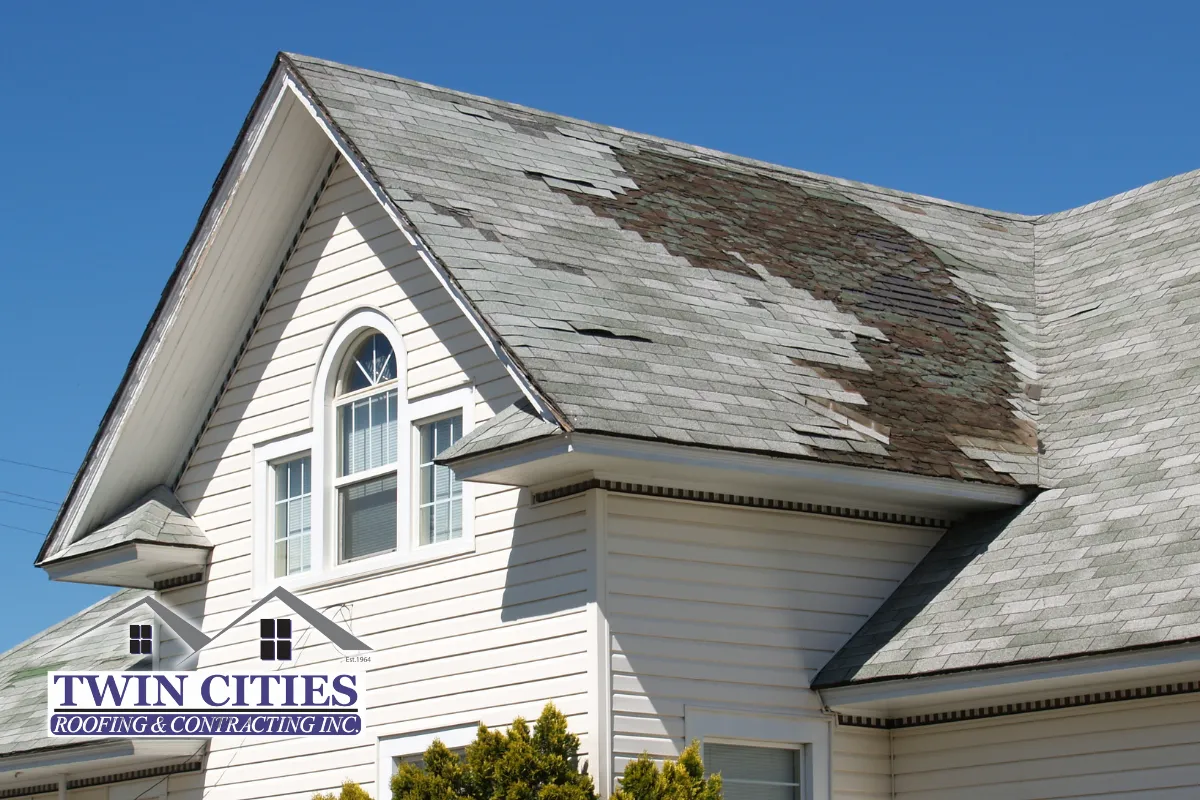
Before a professional arrives, homeowners should conduct a ground-level assessment of their property after a storm. You do not need to climb a ladder to gather useful information. Here are the signs that should prompt an immediate call:
Hail impact indicators:
- Granule accumulation in gutters indicates possible roof damage. Look for what appears to be coarse sand collecting in downspouts or at the base of drain lines.
- Dented gutters, fascia, or outdoor AC unit covers suggest severe hail reached your roof as well.
- Granule loss on shingles indicates potential hail damage, especially when patches of dark substrate show through the protective coating.
- Dented metal flashing signals heavy hail impact leading to possible water seepage around chimneys and vents. Similarly, dented metal flashing or vents signal possible roof damage on other penetrations.
Wind damage indicators:
- Missing shingles or broken shingles in the yard or caught in landscaping.
- Curled or creased tabs visible from the street, especially along ridges and edges.
- Large branches or debris resting on the roof surface.
Interior indicators:
- Water stains on ceilings may indicate hidden roof leaks, particularly after rain or snowmelt.
- Peeling or bubbling paint along walls near the roofline.
- Musty odors or damp insulation in the attic point to moisture penetration through interior ceilings and decking.
- Visible sagging in the roofline requires urgent structural evaluation and should never be ignored.
Avoid climbing on wet or damaged roofs to ensure safety. A close look from the ground or through an upper-story window gives you enough information to determine whether professional help is needed. Leave the roof-level assessment to licensed roofers with proper fall protection equipment.
Read Roofing Contractor Advice: What Factors Affect Your Roof’s Lifespan in Bloomington, MN?
How Roof Age and Materials Change Your Post-Storm Strategy
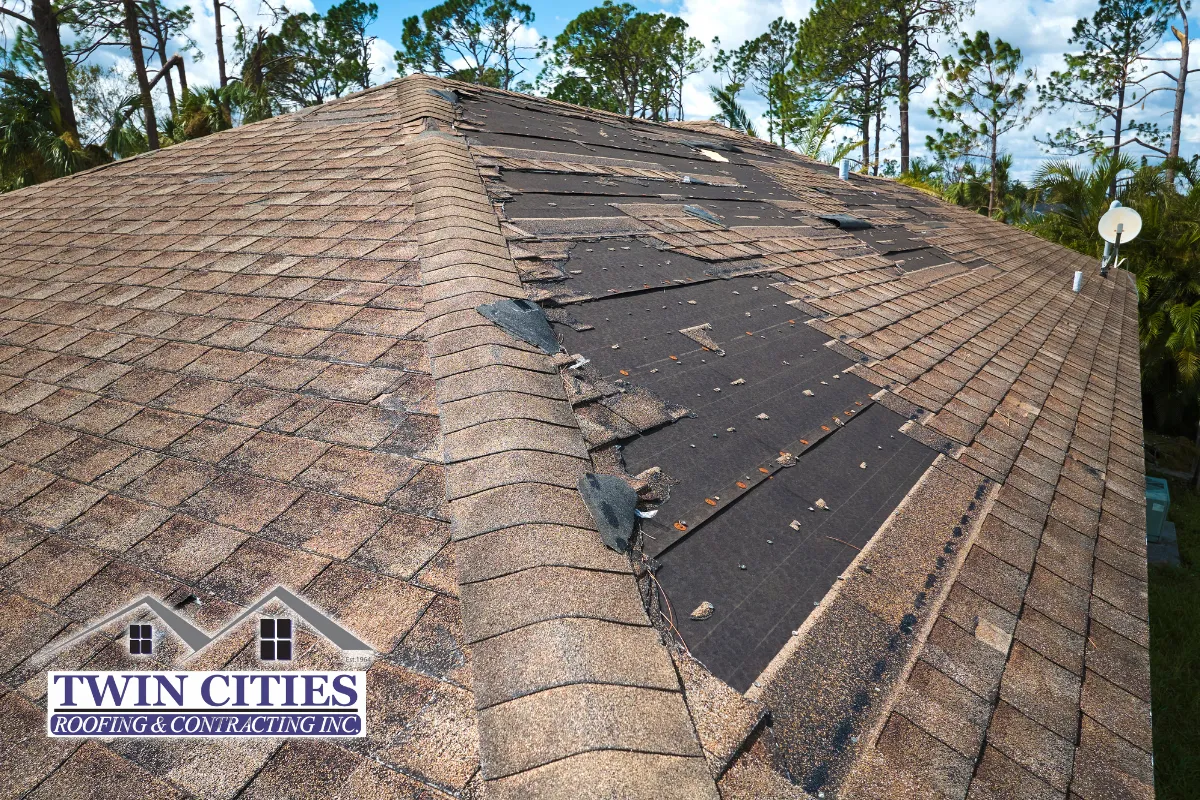
Not every roof responds to Minnesota storms the same way. A 25-year-old three-tab asphalt shingle roof and a five-year-old standing-seam metal roof sit on opposite ends of the vulnerability spectrum, and that difference should shape how quickly you act.
Standard asphalt shingles have an expected lifespan of about 15 to 20 years in Minnesota, while architectural shingles typically last 20 to 30 years. As shingle condition degrades with age, the material becomes brittle and loses its ability to absorb hail impact without cracking. Even a moderate storm that a newer roof shrugs off can cause significant hidden damage on an older system. Impact-resistant shingles and metal roofing materials tend to hold up better, but they can still suffer dents, loosened seams, or concealed bruises that shorten their remaining service life.
Hail damage can remain hidden for 1 to 5 years before it manifests as leaks or accelerated deterioration. Ignoring hail damage can lead to leaks in winter when ice and snow exploit every weak spot. Small hail damage can become major leaks by spring as meltwater finds paths through compromised areas.
For roofs older than 15 years, schedule a professional roof inspection after any moderate storm and consider regular roof inspections every 6 to 12 months. Newer roofing systems in good condition may only need checks every 1 to 2 years plus post-storm evaluations when exterior components show visible damage or nearby homes report problems.
Why a Professional Roof Inspection Matters After a Minnesota Storm
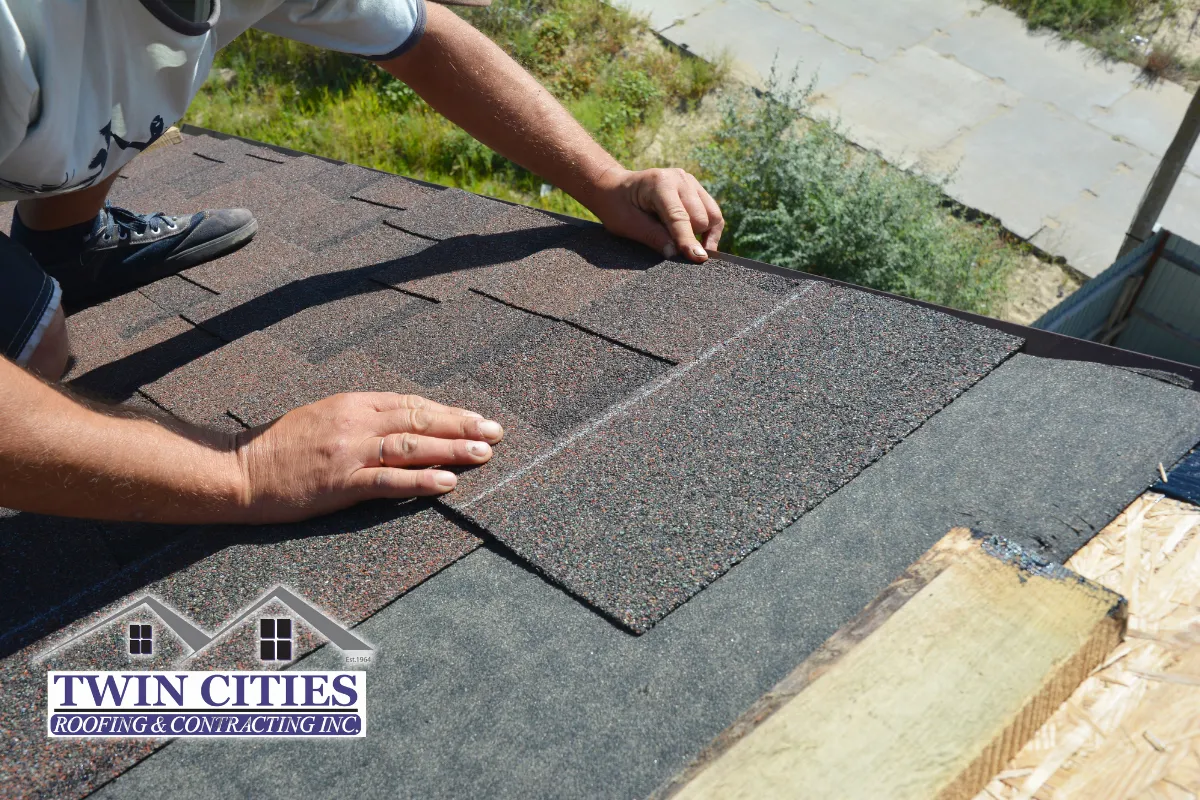
A ground-level walk-around is a good start, but it only scratches the surface. Professional inspections can reveal hidden hail damage that no amount of squinting from the yard will uncover. Trained roofers know how to identify bruised shingle mat fibers, broken sealant strips, loosened fasteners, and compromised underlayment, none of which are visible from 30 feet below. Hail impacts can create micro-cracks not visible from the ground, and those micro-cracks are exactly where water intrusion begins.
Most inspections by a reputable roofing company in the Twin Cities area include time-stamped photo documentation, written findings, and replacement recommendations or repair options. That documentation package becomes essential if you file an insurance claim down the road.
During a professional roof inspection, the entire roofing system gets evaluated: shingles, flashing, vents, ridge caps, valleys, gutters, soft metals, attic ventilation, and decking. Weak spots around chimneys, skylights, and other penetrations receive particular attention because that is where siding and exterior components meet the roof plane.
Licensed Minnesota contractors also follow OSHA fall protection guidelines, use proper access equipment, and carry liability coverage. That protects you from risk and ensures work aligns with local building codes in Bloomington and surrounding communities.
Insurance Deadlines and Documentation After Storm Damage
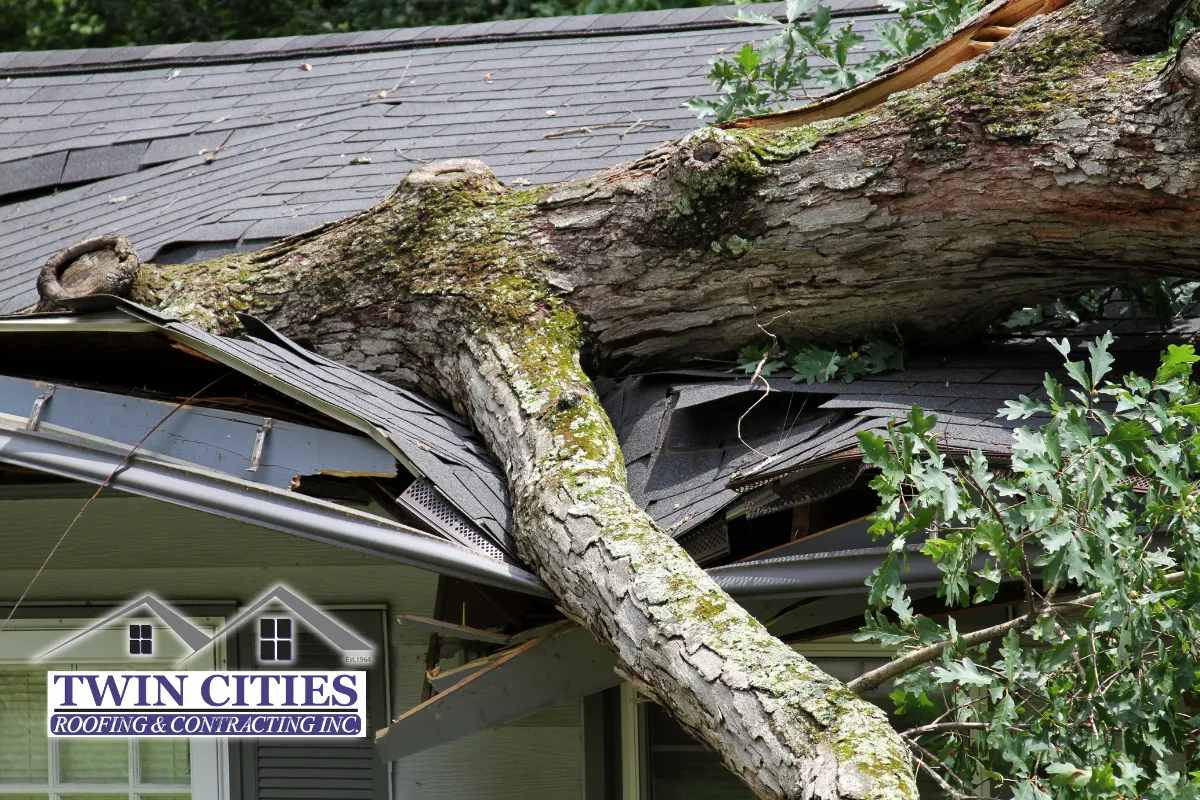
Timing your inspection is not just about protecting your roof. It is also about protecting your coverage. Documentation after storm damage is crucial for insurance claims, and the clock starts ticking on the date of loss, which is the actual date the storm occurred.
Here is what Minnesota homeowners need to know:
- Most homeowner insurance policies have strict deadlines for reporting storm damage. Insurance claims often require prompt reporting and proper documentation of damage to avoid complications.
- Homeowners insurance covers hail damage repair under standard HO-3 policies, so there is no reason to assume the cost falls entirely on you.
- Most insurers allow 12 to 24 months to file hail damage claims, but waiting weeks after a storm complicates insurance claims because it becomes harder to prove which event caused the damage versus normal wear.
- Prompt inspections help document damage before insurance claim deadlines expire. Written damage reports support successful insurance claim filings by giving the insurance adjuster a clear, date-stamped record of findings.
- Delaying roof inspections risks missing insurance claim deadlines entirely. Waiting too long to file claims risks losing coverage that could have paid for a roof replacement or substantial repairs.
Keep a folder with your storm dates, ground-level photos of siding and gutter damage, interior photos of any ceiling stains, and your contractor’s inspection report. When the insurance adjuster arrives, that organized documentation makes the process faster and builds a stronger case. Always review your individual policy and speak with your insurance representative for exact claim deadlines and requirements.
Routine Roof Health: Not Just After the Big Storms
Post-storm checks are critical, but they should fit into a broader plan for regular roof inspections over the life of your home. Seasonal checkups catch problems that develop slowly between major weather events.
- Schedule a spring roof inspection to catch damage from winter snow loads, ice dams, and freeze-thaw cycling.
- Schedule a fall inspection to evaluate shingle condition, clear gutters of debris, and identify any repairs needed before freezing weather arrives.
- Minnesota homes with tall trees, complex roof geometries, or previous leak history benefit from more frequent visits by local roofers.
Between professional visits, homeowners can handle simple maintenance: keeping gutters clear, trimming overhanging branches, monitoring attic moisture, and watching for small stains or drafty areas. A consistent inspection schedule helps extend the expected lifespan of your roof, improves energy efficiency, and lets you plan the transition to a new roof on your own timeline rather than in an emergency.
What To Expect During a Professional Roof Inspection

If you have never had your roof inspected by a residential roofing specialist, here is what the process typically looks like:
- Pre-inspection conversation. The contractor reviews storm details, your roof’s age, any prior issues, and whether you have noticed interior signs like stains or dampness. Clear communication at this stage helps the inspector focus on the right areas.
- Exterior evaluation. The roofer works slope by slope, checking shingles for hail damage, wind uplift, and impact marks. Flashing around chimneys, skylights, and vents gets examined for gaps or dents. Gutters, downspouts, and soft metals are checked for deformation that signals hail impact.
- Attic and interior review. The inspector looks for moisture stains on decking, insulation condition, ventilation airflow, and any structural damage beneath the roof surface. This step often reveals problems that exterior-only checks miss.
- Findings review. Most inspections end with a walk-through or phone call to review photos, explain the current condition, and present honest recommendations. You will typically receive a written report with repair or replacement options and cost estimates. If the inspection is free, it may lead to a formal written estimate if work is needed.
Expect the process to take 45 minutes to an hour for an average-sized home. A thorough evaluation gives you the information to determine whether your roof needs immediate repairs, can wait for the next season, or warrants a full replacement conversation.
Roofing Contractor in Bloomington, MN – Call Twin Cities Contracting Services Inc.

At Twin Cities Contracting Services Inc., we are a locally based roofing contractor serving Bloomington, MN and the entire Twin Cities area. When a storm hits, our team responds quickly with professional roof inspection services designed to uncover hidden damage from hail, wind, and heavy rain. We evaluate every layer of your roofing system and provide detailed photo documentation so you can make informed decisions about repairs or a new roof. Our experienced roofers prioritize clear communication, honest recommendations, and solutions that meet Bloomington, MN building codes. We are here to help you protect your home and navigate the insurance process with confidence. Call us at (952) 405-6201 or fill out our online contact form to schedule a free inspection today.
Frequently Asked Questions
How soon after a storm is it safe for a contractor to get on my roof?
Safety always comes first. Roofs should be dry and free of active lightning, high winds, or standing water before anyone climbs up. In many Minnesota storms, that means waiting several hours to a full day until surfaces are no longer slick with rain, ice, or debris. A roofing contractor may perform a partial assessment from the ground or attic immediately after the event passes, then complete the full on-roof inspection once conditions allow safe access. Licensed professionals follow OSHA fall protection practices and will not walk on unstable surfaces, snow-covered slopes, or ice-glazed shingles. Rushing the process puts both the inspector and your roof at unnecessary risk.
Can a minor-looking leak wait until the next season for an inspection?
It should not. Even a small leak allows moisture to reach insulation, drywall, and structural framing, where it causes rot and mold growth over time. In Minnesota, repeated freeze-thaw cycles can enlarge tiny openings in roofing materials, transforming a slow seasonal drip into widespread interior damage by the time spring arrives. If you notice stains on interior ceilings, bubbling paint near rooflines, or musty odors in the attic, schedule a professional inspection as soon as possible, even if the leak seems intermittent. Prompt evaluation usually leads to smaller, less expensive repairs rather than large-scale roof or interior restoration months later.
What if my roof looks fine but my neighbors are getting inspections?
Storm damage does not affect every roof the same way, even on the same block. Wind direction, roof orientation, pitch, age, and materials can make one house show obvious damage while another hides subtle issues underneath the surface. If nearby homes have confirmed hail damage or are filing insurance claims, it is worth scheduling a professional roof inspection even when nothing looks wrong from the ground. Verifying your roof’s condition now provides peace of mind and creates a documented record of its state. If problems surface months or years later, that baseline report can support your case with an insurer.
Will an inspection automatically lead to a recommendation for a new roof?
Not necessarily. A thorough inspection should distinguish between localized repair needs and full roof replacement requirements. Reputable roofing companies prioritize cost-effective repairs when most of the roofing system is sound and only a few areas are compromised. A new roof is typically recommended when storm damage is widespread, the roof is near the end of its expected lifespan, or repairs would be repetitive and uneconomical over time. Always ask for a clear explanation, photos, and multiple options before committing to major work. Honest recommendations from a qualified contractor will lay out the facts and let you decide.
How often should I schedule inspections if my roof has never had storm damage?
Many Minnesota homeowners benefit from a professional roof inspection every one to two years, even without known storm events, to catch age-related wear and small maintenance issues early. Timing these visits in spring or fall, when conditions are milder, makes access easier and pairs well with gutter cleaning or other routine upkeep. Roofs with complex designs, multiple valleys, or heavy tree cover may need more frequent attention to prevent blocked drainage and premature deterioration. Consistent checkups help you spot potential problems while they are still inexpensive to address and avoid surprise failures during the harshest months of Minnesota weather.
Disclaimer
This article provides general educational information about Minnesota storm-related roof inspections and does not constitute individualized legal, insurance, or engineering advice. Consult qualified local professionals for guidance specific to your property and policy.