
Roof Installation Timing in Bloomington, MN Explained Up Front
Roof installation is one of the most weather-dependent home improvement projects a Bloomington homeowner will face. Between unpredictable hailstorms, punishing winters, and the narrow windows of cooperative weather, choosing the right month to replace your roof can feel overwhelming. Wait too long and you risk leaks, mold growth, and emergency repairs at premium winter prices. Add in the conflicting advice floating around online, and the decision gets even harder.
This article cuts through the noise. Below, you will find Bloomington-specific climate data, a season-by-season breakdown of pros and cons, practical planning tips, and guidance on permits and material selection so you can confidently pick the right time and connect with qualified roofers for residential roofing work that lasts.
Key Takeaways
- Late summer and early fall, roughly August through mid-October, are usually the best months for roof installation in Bloomington, MN thanks to mild temperatures, lower rainfall, and stable weather patterns.
- Bloomington homeowners can still successfully schedule roofing projects in spring and parts of summer when working with an experienced local roofing company familiar with Minnesota weather.
- A severely damaged or actively leaking roof should be addressed immediately regardless of season to avoid escalating roof replacement costs and structural problems.
- Planning your project four to eight weeks in advance improves scheduling, material availability, and overall experience with your roofing crew.
- Choosing a licensed contractor in Bloomington ensures compliance with local building codes and permits, helping prevent issues during resale or future inspections.
How Bloomington’s Climate Shapes the Ideal Roofing Season
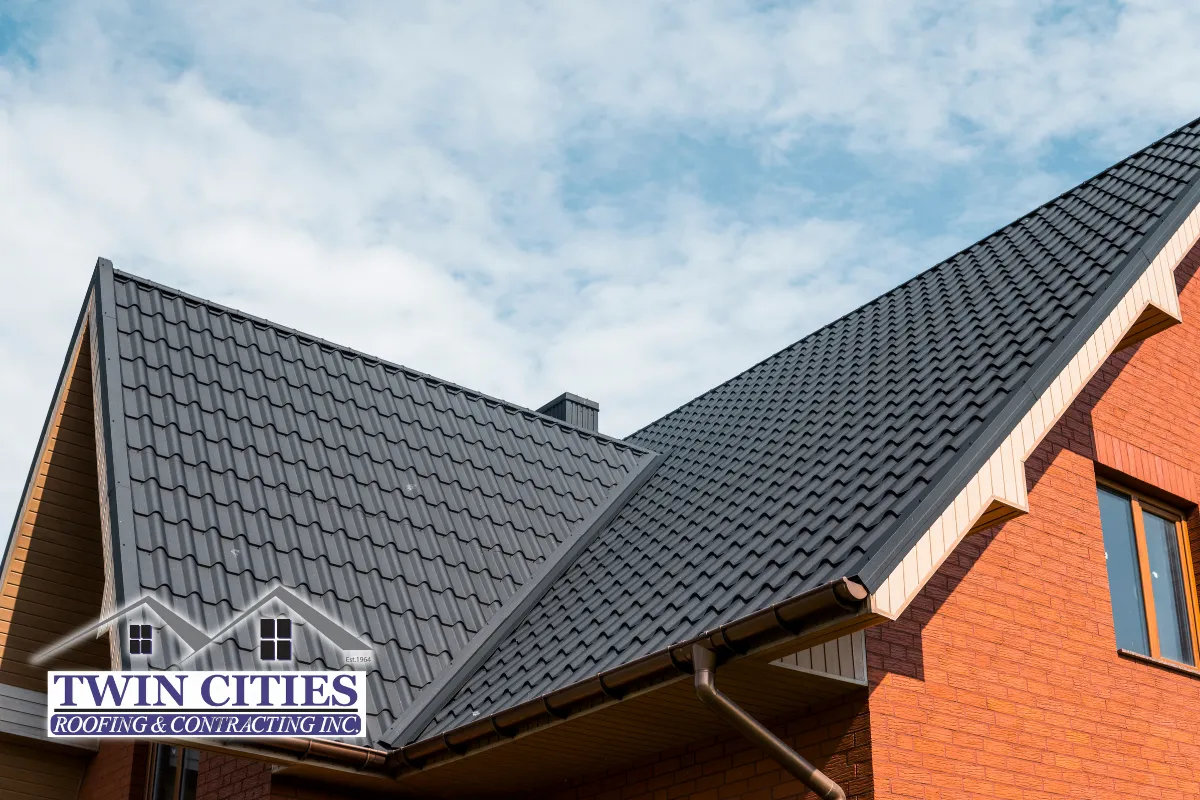
Bloomington, MN sits in a humid continental climate zone with cold, snowy winters, warm summers, and active storm seasons that run from late spring through early fall. January lows average around eight to nine degrees, while July highs regularly reach the low to mid-eighties. Bloomington experiences numerous freeze-thaw cycles annually, impacting roofing performance and accelerating wear on exposed materials.
Extreme temperatures can affect asphalt shingle performance in both directions. In cold weather, shingles become brittle and difficult to handle. In excessive heat, they soften and are more prone to scuffing or damage during foot traffic. Asphalt shingles need suitable ambient warmth to activate their adhesive coating, which bonds shingle tabs together for wind resistance. Below roughly forty-five degrees, that sealant strip may not flow at all without manual intervention.
Minnesota roofs should be rated for extreme weather conditions, including heavy snow loads and sustained high winds. Local building practices assume these stresses, which is why timing an install so materials can properly bond before severe weather arrives is a priority for every Bloomington roofing contractor.
Late Summer and Fall: Why August Through October Are Usually Best
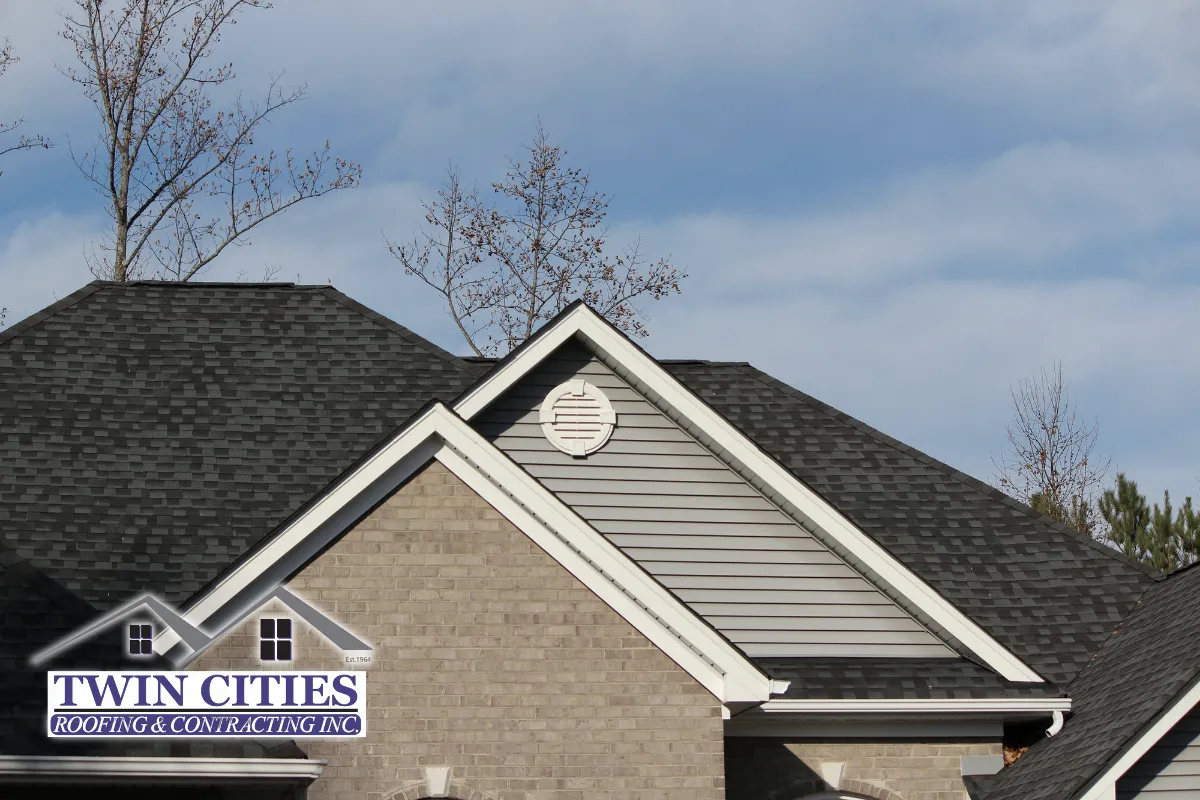
Late summer and fall are ideal for roof installation in the Bloomington area. During this window, daytime highs generally range from the upper sixties into the low eighties, which sits right in the sweet spot. Optimal temperatures for asphalt shingles are between 60°F and 85°F, allowing the factory-applied adhesive strips to activate and seal without the material becoming dangerously soft.
Fall weather is more stable for roofing projects than spring, with fewer rain delays during late summer and early fall compared to the wetter months of May and June. September and October precipitation drops noticeably after the June peak, giving your roofing team more consecutive dry workdays to complete the job without interruption.
Contractor availability increases in late summer after the spring rush and post-storm insurance claim surge subside. That means south metro homeowners who plan ahead can often secure better scheduling flexibility.
Fall offers moderate temperatures for better material performance, and completing roof work before the first hard freeze, which typically arrives between October 11 and 20, gives shingles time to seal thermally. Fall roof repairs reduce the risk of winter leaks, and finishing before snow season helps prevent ice dams from forming on a compromised surface. Homeowners also gain a boost in curb appeal heading into the holiday season.
If you are considering a full replacement, contact a roofing company no later than midsummer. These months book up quickly across the entire Twin Cities metro.
Spring Roof Projects in Bloomington: Pros, Cons, and Best Practices
March through May can also work well for Bloomington roofing projects, especially when winter reveals leaks, missing shingles, or ice dam issues that need attention before the next storm season.
Advantages of spring timing:
- Crews become more available as winter restrictions lift
- Warming temperatures allow proper material handling by late April and May
- Getting ahead of summer storm season protects your home during peak hail months
- A free roof inspection in March or April helps you decide between a roof repair and a full replacement
Challenges to keep in mind:
- Spring conditions bring fluctuating temperatures and frequent rain showers, which can delay tear-off and dry-in steps
- Lingering snow and wet roof decks in early spring may require extra drying time
- Average highs in Bloomington for May and June are around 74°F and 82°F, respectively, but overnight lows in April can still dip near freezing
- The need for emergency repairs spikes residential roofing demand in spring, and severe weather during spring can lead to project delays and backlog for contractors
Aim for late April or May when possible. Build flexibility into your schedule for weather-related rescheduling, and treat early spring as inspection season rather than installation season.
Read How Much Does a Roof Installation Cost in Bloomington, MN?
Summer Roofing in Bloomington: Working Around Heat and Storms
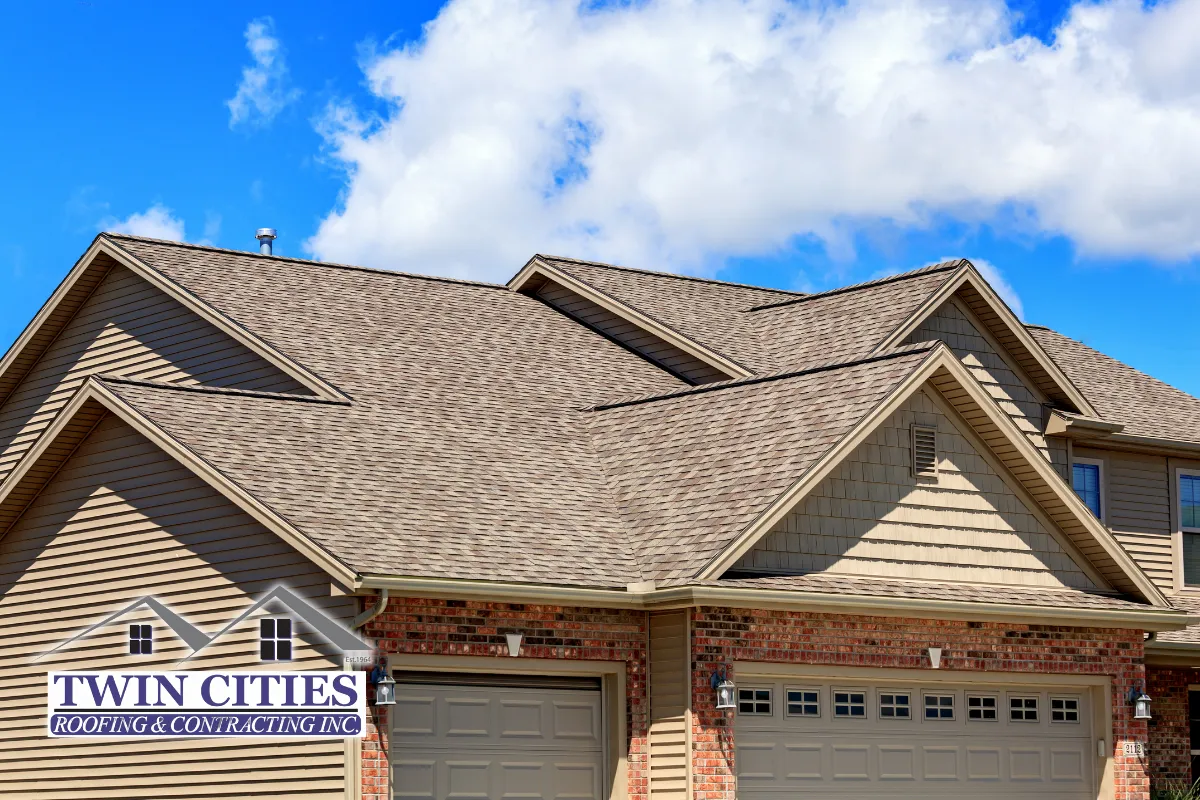
June and July offer long daylight hours and consistently warm temperatures, making them popular months for homeowners who want the project done while kids are out of school. However, summer brings its own set of complications for roof installers and homeowners alike.
Roof surface temperatures during a midsummer afternoon can exceed ambient air by twenty to thirty degrees or more. That level of extreme heat makes architectural shingles and other asphalt products soft and more susceptible to scuffing under foot traffic. Crews need additional breaks, and safety protocols become more critical.
Afternoon thunderstorms are common in Bloomington during June, which is the wettest month with roughly 4.5 inches of rain on average. Reputable roofers plan tear-off and underlayment steps to avoid leaving the deck exposed during sudden downpours.
If you are scheduling summer roof work, early June often beats peak midsummer heat. Providing shade and water access for the roofing crew goes a long way. Expect some flexibility in daily start times, as many crews begin earlier in the morning to maximize cooler working hours.
Winter Roof Installation: When It’s Possible and When to Wait
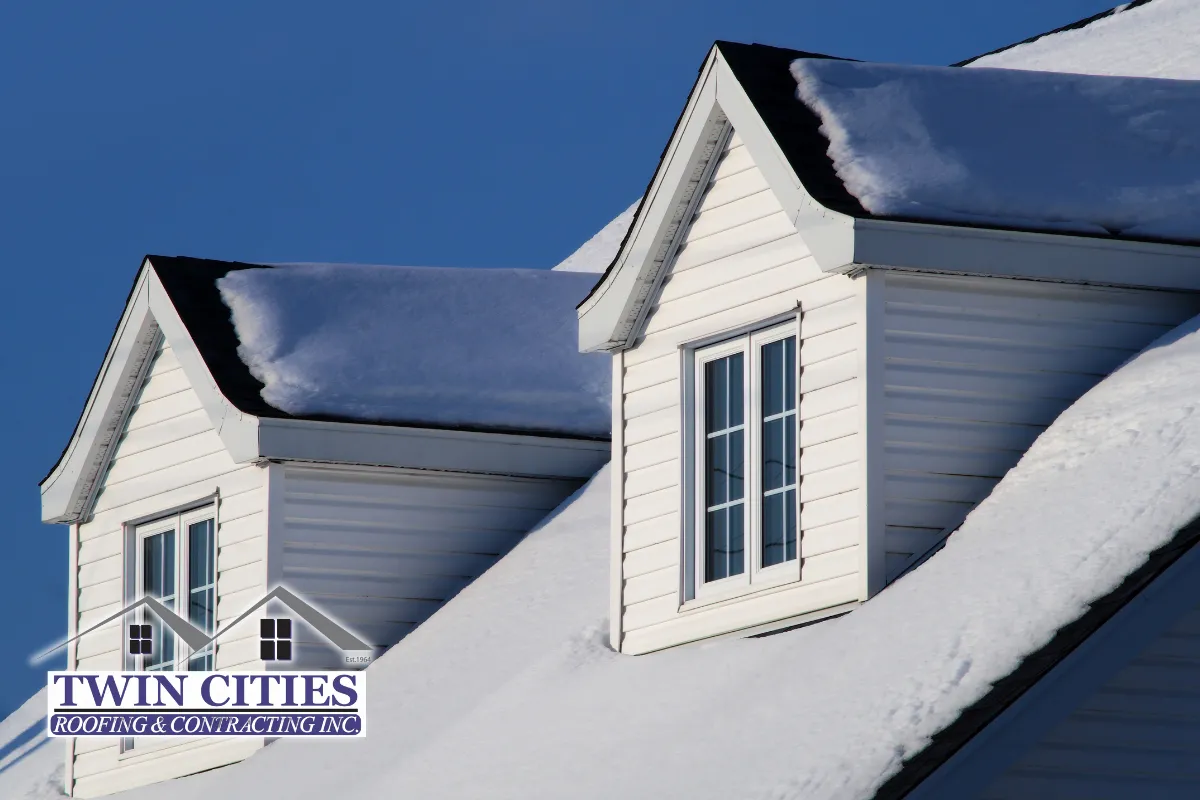
December through February are generally least preferred for roofing installations in Bloomington. Heavy snow loads and freezing temperatures complicate roof installation in winter, and short daylight limits the productive hours available each day.
Most shingle manufacturers specify minimum installation temperatures. Below roughly forty-five degrees, the adhesive sealant strips on asphalt shingles will not self-activate, requiring hand-sealing with roofing cement on every tab. This adds labor time, material cost, and introduces more room for inconsistency if crews are not experienced with cold-weather protocols.
Jobsite hazards multiply as well. Ice-covered decking, slippery ladders, and frozen fasteners slow progress significantly. Additional tarping and temporary protection measures are often necessary.
That said, roof installations can occur year-round with proper precautions. If your roof is actively leaking, a qualified professional team may recommend targeted repairs or a partial replacement even in January to prevent interior damage. For a roof that is worn but still holding, most Twin Cities homeowners are better served scheduling the full replacement for the next available spring or fall window.
Bloomington Permits, Codes, and Local Requirements That Affect Timing
Bloomington requires a building permit for most roofing projects. Permits are required for roof replacement projects larger than 10 by 10 feet, which covers virtually every full replacement. The city follows the 2020 Minnesota Residential Code, incorporating the 2018 IRC roofing provisions.
A licensed contractor typically handles the permit application and coordinates inspections as part of the roofing service, which simplifies the process for homeowners. During peak construction months, inspection scheduling can add a few days to the overall timeline, so factoring this into your plans is worthwhile.
Code-compliant installations must include:
- Proper attic ventilation to reduce moisture buildup and help prevent ice dams
- Ice and water shield membrane at eaves, extending at least 24 inches past the exterior wall line
- Wind-rated shingles meeting ASTM standards appropriate for the region
- Structurally sound roof decking with adequate decking allowance for any damaged sections
- Proper ventilation and underlayment, which are crucial for ice dam prevention
Working with a Bloomington roofing company familiar with local building codes ensures your finished roof passes inspection and meets all requirements, including those related to local building codes that affect resale value.
Planning Your Roofing Project Timeline: From Estimate to Final Inspection
Good timing is not only about picking the right month. It also depends on how early you start planning the roofing process.
Here is a typical sequence for Bloomington homeowners:
- Initial contact by phone or online form
- On-site inspection to assess the existing roof condition and square footage
- Written estimate covering materials, labor costs, and any extras like new gutters or window wraps
- Material selection, including shingle style, color, and material grade
- Permit submission through your contractor
- Scheduled installation day
- Final walkthrough and city inspection
During busy seasons, expect lead times of four to eight weeks from signed contract to installation day. In quieter shoulder months, that window may shrink to two to four weeks. Most roofing projects in Bloomington are completed in one day, though complex jobs or weather interruptions can stretch the timeline.
Consider your personal schedule when choosing an installation date. If you work from home, the noise from tear-off and nail guns will be significant. Planning around vacations or school schedules can help minimize disruption for the whole household.
Ask your roofing team how they handle weather delays and how they communicate updates so expectations are clear before work begins.
Weather Risks, Hail Damage, and Ice Dams: Why You Sometimes Cannot Wait
While seasonal planning is ideal, serious roof issues in Bloomington often demand faster action regardless of the calendar.
Severe weather can stress roofing systems year-round. When a storm hits Bloomington, the damage is not always obvious from the ground. Hailstorms can cause significant granule loss in shingles, leaving the underlying mat exposed to UV degradation and moisture. Minnesota hail events frequently leave behind bruised or cracked shingles that appear intact but fail within a season or two.
Ice dams form when warm attic air melts snow on roofs, and the meltwater refreezes at the colder eaves. Ice dams can form when snow melts and refreezes at eaves, forcing water under shingles and into the home. Recurring ice dams usually signal deeper problems with attic insulation or ventilation that go beyond surface-level repairs.
Schedule a free inspection promptly after major storms to decide between a targeted roof repair and a full replacement. Timely roof replacements can prevent costly winter emergencies, and your insurance company often has strict timelines for filing insurance claims related to storm damage. Waiting for a more favorable season can risk reduced coverage or higher out-of-pocket expenses.
Proper attic ventilation helps prevent ice dams in winter, and addressing ventilation alongside the roofing project delivers long-term protection that spot repairs alone cannot match.
Balancing Roof Replacement Costs, Materials, and Long-Term Value
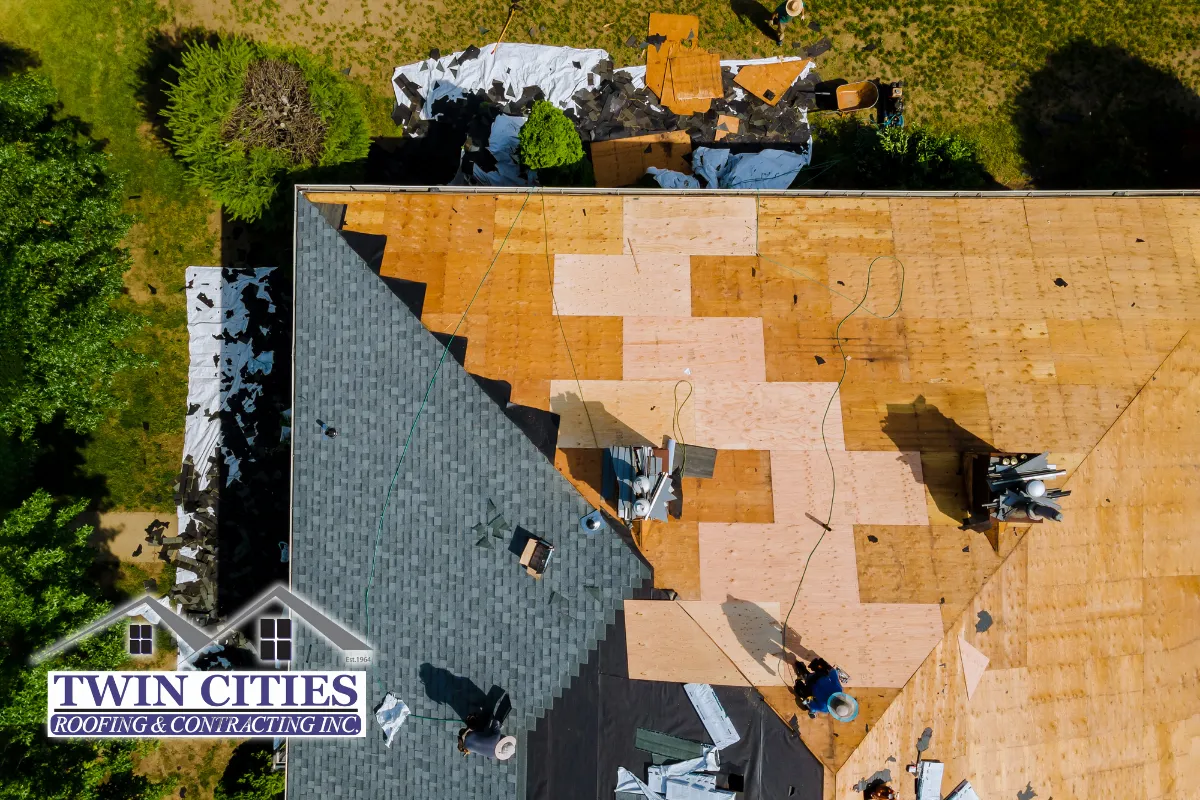
Timing affects roof replacement costs indirectly through demand cycles, material availability, and labor scheduling across the Twin Cities. Peak-season bookings in late summer and early fall are tighter, while flexible homeowners may find slightly better availability and fair pricing during shoulder months.
Look beyond the lowest bid when comparing estimates. Evaluate warranties, ventilation recommendations, and whether the proposal addresses energy efficiency improvements that extend the life of your new roof.
Material selection matters for Bloomington neighborhoods:
- Asphalt shingles are reliable for hail and wind in Bloomington and remain the most common choice for residential roofing
- Architectural shingles offer improved aesthetics and wind ratings compared to three-tab options
- Metal roofing is valued for durability and snow shedding, making it a strong option for Minnesota’s demanding climate
- Class 4 impact-resistant shingles can reduce insurance premiums by 15 to 30 percent, which helps offset the higher material cost over time
- Minnesota roofing materials must withstand extreme temperature variations from summer highs above eighty degrees to winter lows well below zero
Premiums for upgraded underlayment or impact-resistant roofing solutions can pay off over a roof’s lifespan through fewer repairs and better storm performance. Planning ahead for financing is easier when you understand your ideal installation window a season or two in advance and can get a free estimate early.
Choosing a Bloomington Roofing Contractor Who Can Work with Any Season
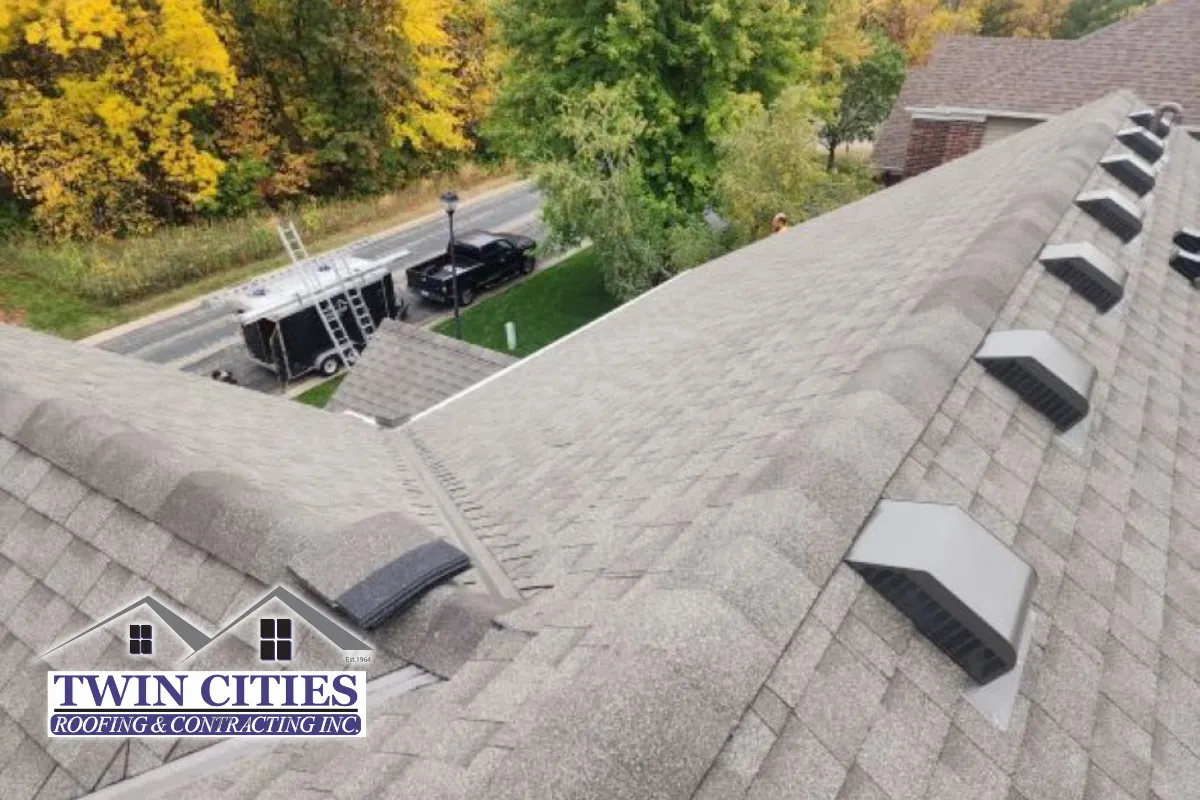
The best time of year only truly pays off when combined with an experienced, local roofing company that understands Bloomington roofing inside and out. Quality workmanship depends on matching the right crew with the right conditions.
When evaluating professional roofing services, Bloomington homeowners should look for:
- An active Minnesota license and adequate insurance coverage
- Strong local reviews from past Bloomington roofing projects
- Detailed written estimates covering materials, labor, and timeline
- Clear communication about scheduling and weather contingencies
- Willingness to explain how they handle shingle sealing, underlayment, and ventilation across different seasons
Ask who handles permits and inspections so there are no surprises on installation day. Confirm cleanup responsibilities and how the contractor protects landscaping, driveways, and areas near features like Nine Mile Creek or other sensitive surroundings near your Bloomington home.
Established roofing companies serving Bloomington are familiar with typical neighborhood roof types, common roof pitch configurations, and ridge cap details, which helps them provide better timing and material recommendations for your specific Bloomington project.
Roof Installation in Bloomington, MN – Call Twin Cities Contracting Services Inc.
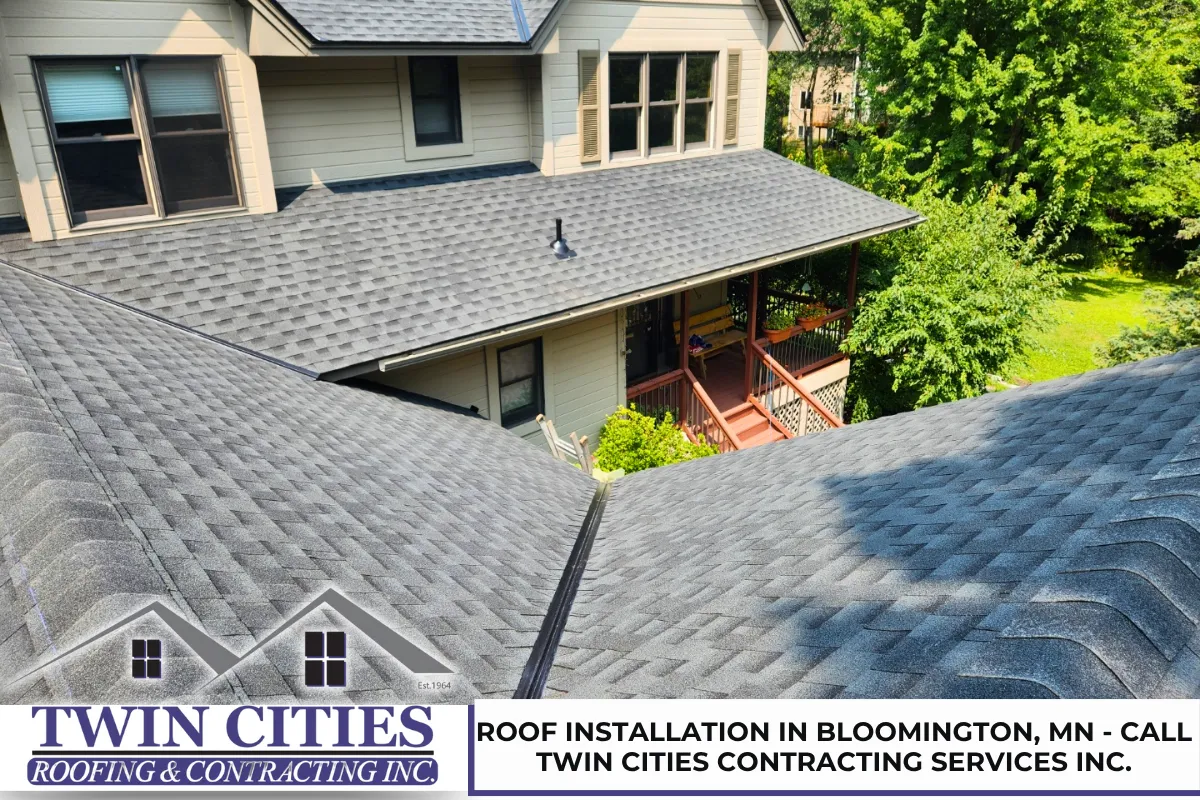
At Twin Cities Contracting Services Inc., we specialize in roof installation designed for the unique demands of Bloomington, MN weather. Whether you need professional installation before winter arrives or want to address hail damage from a recent storm, our roofing team handles every step from initial inspection and honest recommendations through permits, scheduling, and final cleanup.
We provide comprehensive services for Twin Cities homeowners, including roofing solutions, new gutters, and guidance on preventing future damage. Our goal is installation quality you can count on, backed by fair pricing and clear communication throughout the roofing process.
Call us at (952) 405-6201 or fill out our online contact form for a free estimate. As a trusted roofing contractor serving Bloomington and the surrounding Twin Cities area, we are ready to help protect your home with the right roofing materials and expert timing for every season.
Frequently Asked Questions
How far in advance should I schedule a roof installation in Bloomington, MN?
During peak months like August through October, most roofing companies are booked four to eight weeks out. In quieter periods such as late spring or early winter, lead times may drop to two to four weeks. If you are targeting the late summer or early fall sweet spot, start conversations with contractors no later than June. This gives you time for inspections, estimates, material selection, and permit processing without feeling rushed. Earlier planning also improves your chances of locking in your preferred installation date and avoiding the backlog that builds after major hailstorms move through the metro area.
Do I need to be home during my roof installation?
Many Bloomington homeowners choose to leave for work or run errands during installation day, and most experienced crews are comfortable working independently. However, being reachable by phone is important in case decisions come up, such as unexpected decking damage that requires additional repair or a material substitution. If you plan to be away, confirm with your contractor beforehand how they will communicate updates. Some crews send photo updates via text throughout the day. Being present for the final walkthrough at the end of the day is recommended so you can review the finished roof together and note any concerns immediately.
How noisy is a roof replacement, and how can I prepare my household?
Tear-off is the loudest phase. Old shingles being stripped, debris sliding into a metal dumpster, and pneumatic nail guns create sustained noise that can be heard throughout the home and by nearby neighbors. If anyone in the household works remotely, plan to use a library, coffee shop, or coworking space for the day. Pets can be especially stressed by the vibration and overhead noise, so consider boarding or arranging a daycare visit. Let your immediate neighbors know the date in advance. Most residential projects in Bloomington wrap up within a single day, so the disruption is typically short-lived.
How long should I wait before walking on my new roof?
In general, homeowners should avoid walking on a new roof entirely. Freshly installed shingles need time for the adhesive sealant to activate and bond, which can take anywhere from a few days in warm weather to several weeks in cooler conditions. Foot traffic during this curing period risks breaking the seal or scuffing the granule surface. If roof access is absolutely necessary, such as for satellite dish adjustment or chimney maintenance, contact your roofer first. They can advise on safe timing and which areas are least vulnerable. Walking on steep pitches without proper safety equipment is dangerous regardless of roof age.
Can I coordinate roof replacement with other exterior projects?
Combining your roof replacement with related work like new gutters, attic insulation upgrades, or ventilation improvements is a smart way to reduce overall disruption and sometimes lower total project costs. When the roofing crew already has scaffolding or ladders in place, adding gutter installation or soffit venting takes less setup time. Scheduling these together during the same season, particularly in early fall, also ensures all components are ready to perform as a system before Minnesota winters arrive. Discuss bundling options during your initial estimate so the contractor can plan materials, crew size, and timeline accordingly for your Bloomington home.
Disclaimer
This article provides general guidance on roof installation timing in Bloomington, MN. Always verify current building codes, permit requirements, and product specifications with a qualified local professional before starting any roofing project.
Read Roofing Contractor Advice: What Factors Affect Your Roof’s Lifespan in Bloomington, MN?