
Why Minnesota Home Insurance Costs Are Spiking in 2026
If you own a home in Bloomington, you have probably already felt the sting of your latest renewal notice. Minnesota home insurance costs are surging in 2026, and what Bloomington homeowners should know about their roofs starts with one hard fact: your roof is now the single biggest variable in what you pay for coverage. Insurance premiums in Minnesota jumped about 34 percent in 2025, the largest state increase in the country. Homeowners insurance rates are rising due to increased claims, and the average annual premium reached roughly $3,530. That is a conversation every property owner needs to have with their insurance agent before the next storm season arrives.
Several forces are pushing these numbers higher at once. Minnesota has experienced home insurance rate hikes driven by severe weather, particularly more frequent and intense hail and wind events. Construction material and labor costs have climbed alongside those losses. The state also carries an aging housing stock, and many Bloomington homes built in the 1960s and 1970s still have roofs that are well past what carriers consider safe thresholds. Minnesota is susceptible to windstorms, floods, and winter storms, which compounds the risk profile for the entire region.
While homeowners insurance is not legally required by the state, most mortgage lenders do require it. That makes these cost spikes nearly impossible to avoid for anyone carrying a mortgage. The rest of this article focuses on how roof age, materials, and maintenance interact with your policy and influence whether your coverage gets renewed, restricted, or repriced.
Key Takeaways
- Minnesota homeowners insurance costs jumped sharply in 2026, with the state recording the largest premium increase in the country, and roof condition is now a central factor in coverage decisions and renewals.
- Hail, wind, and aging roofs across Bloomington are pushing insurers to tighten home insurance roof coverage rules and raise homeowners insurance rates.
- Roof age, materials, and maintenance directly influence eligibility for coverage and how much you pay each year.
- Regular inspections, photo documentation, and prompt repairs help protect both your roof and your policy.
- Working with a local roofing specialist in Bloomington can help you navigate inspections, upgrades, and the insurance claim process.
How Bloomington Roofs Are Driving Higher Homeowners Insurance Rates
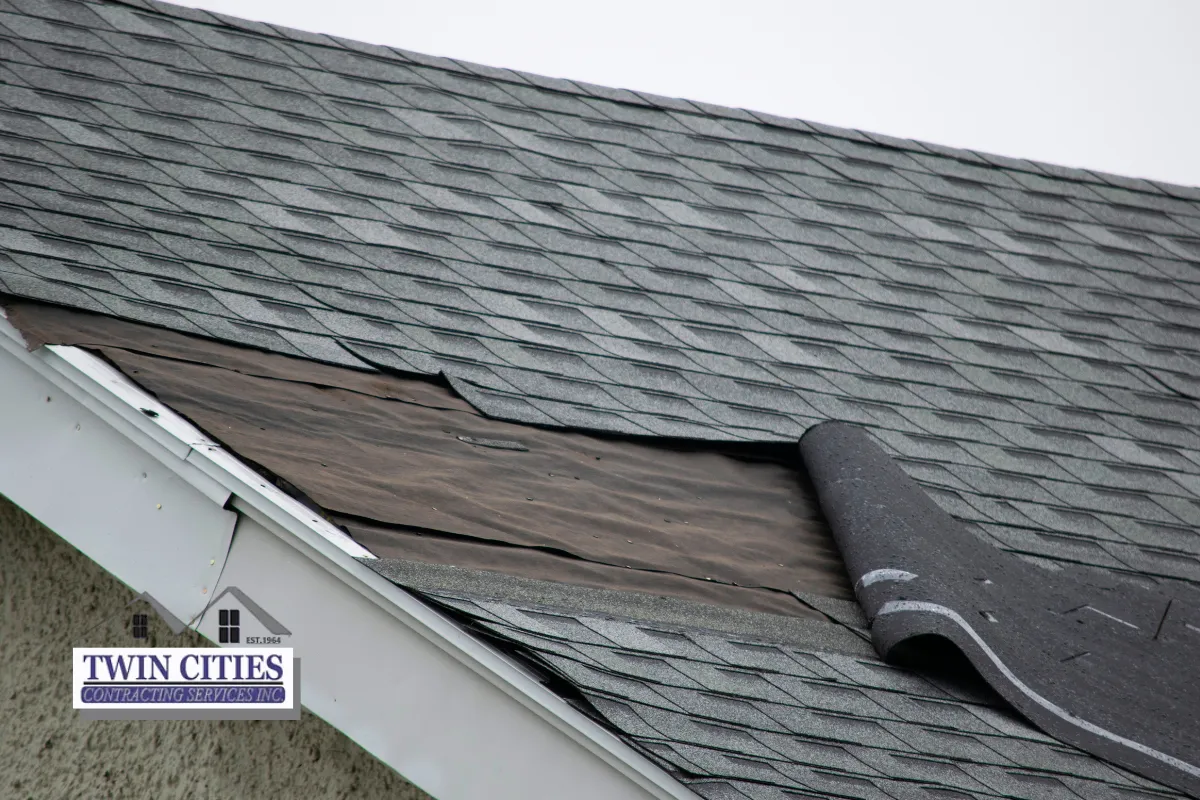
Insurance companies now closely analyze roof risk in Bloomington. Repeated hail and wind storms over the last decade have produced heavy losses for carriers operating in the metro area. Insurers are closely scrutinizing roof ages when underwriting policies or renewing coverage, and that scrutiny extends to condition, prior claims history, and even satellite imagery or aerial photography of the property.
Roofs in exposed areas near open fields, river valleys, or bluff edges may be rated differently than those shielded by tree cover or neighboring structures. Some carriers have introduced stricter roof underwriting guidelines for Minnesota homeowners insurance, including shorter acceptable roof age windows. Poor roof condition can trigger surcharges, specific roof exclusions, higher wind and hail deductibles, or even non-renewal of home insurance. If your house sits in one of the high risk areas identified by your provider, these adjustments may be more aggressive.
Roof Age Rules: When Insurance Companies Start to Get Nervous
Home insurance roof age has become one of the most scrutinized data points in underwriting. Homes with roofs older than 15 years may face increased scrutiny and potential coverage loss. Roofs over 15 years old may trigger inspection requirements before a carrier will bind or renew a policy.
Here is how age typically affects coverage:
- Many insurers shift from replacement cost to actual cash value once an asphalt shingle roof passes 15 to 20 years.
- Insurance companies are increasingly using actual cash value for aging roofs instead of replacement cost value, which means the payout on a claim shrinks as the roof gets older.
- Minnesota statutes provide for replacement-cost coverage when an insurer offers it, but carriers may add endorsements that modify how roof losses are settled once age thresholds are crossed.
The difference between replacement cost and actual cash value matters. Replacement cost pays what it takes to put on a new roof. Actual cash value subtracts depreciation, which on an older roof can leave you covering thousands out of pocket. Ask your agent how your specific roof age affects your homeowners insurance coverage, your deductible structure, and your eligibility for certain discounts. If your Bloomington home has a roof approaching that 15-year mark, plan proactively for a new roof before age triggers lead to reduced coverage or policy changes.
Roofing Materials That Can Help (or Hurt) Your Insurance Profile
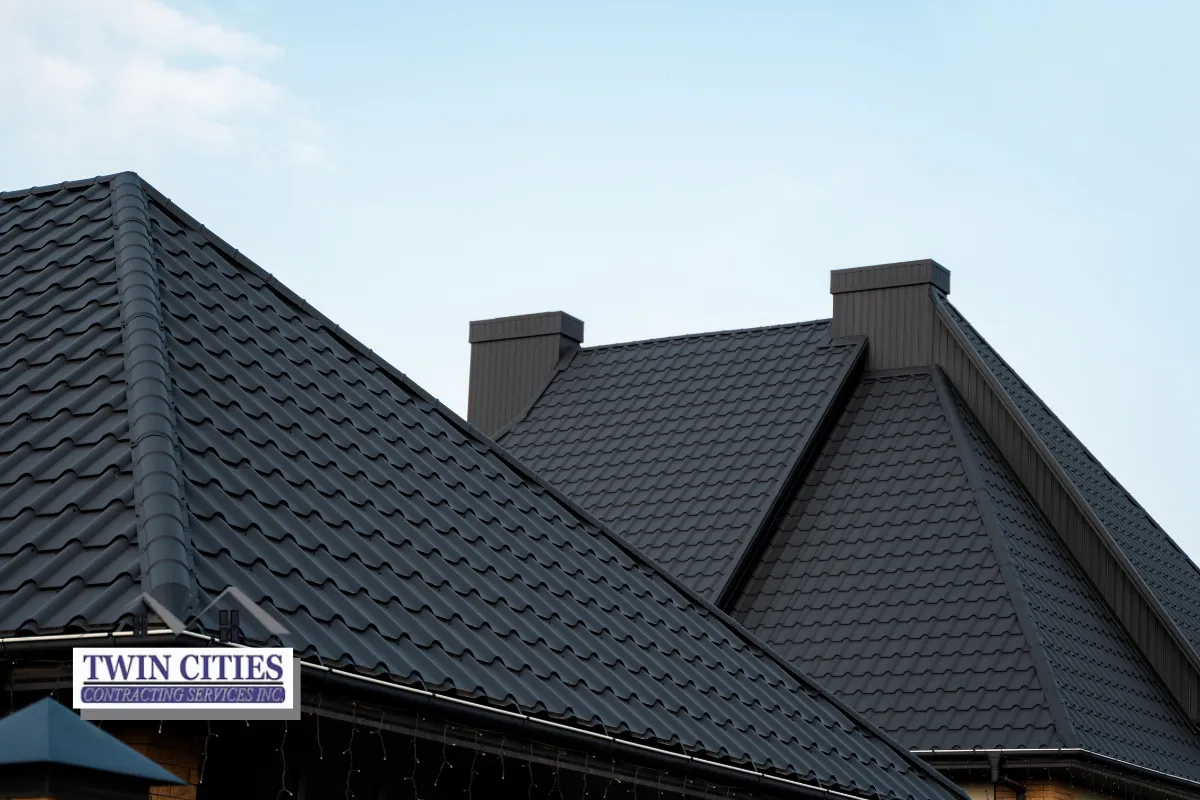
Not all roofing materials carry the same weight with insurance companies. Standard architectural asphalt shingles remain the most common choice in Bloomington, with expected lifespans of 25 to 35 years depending on installation quality and exposure. Older three-tab shingles, still found on many aging roofs, wear faster and offer less impact resistance.
Many insurers now incentivize upgrading to Class 4 impact-resistant shingles due to rising claims costs. These products carry a UL 2218 rating and can qualify homeowners for premium discounts, often in the range of 10 to 25 percent on the wind and hail portion of the policy. Metal roofing offers strong durability but insurer acceptance varies by product type and installation method.
Heavier, brittle, or discontinued materials complicate repairs and increase claim costs, which sometimes prompts carriers to push for full replacement sooner. Premium upgrades can add $2,000 to $6,000 to roof costs, but the long-term savings on coverage and reduced claim frequency can offset that investment. Before selecting materials for a new roof, ask both your roofer and your agent whether planned products may change your Minnesota roofing insurance pricing or coverage options.
The Role of Hail and Wind Damage in Minnesota Homeowners Insurance Costs
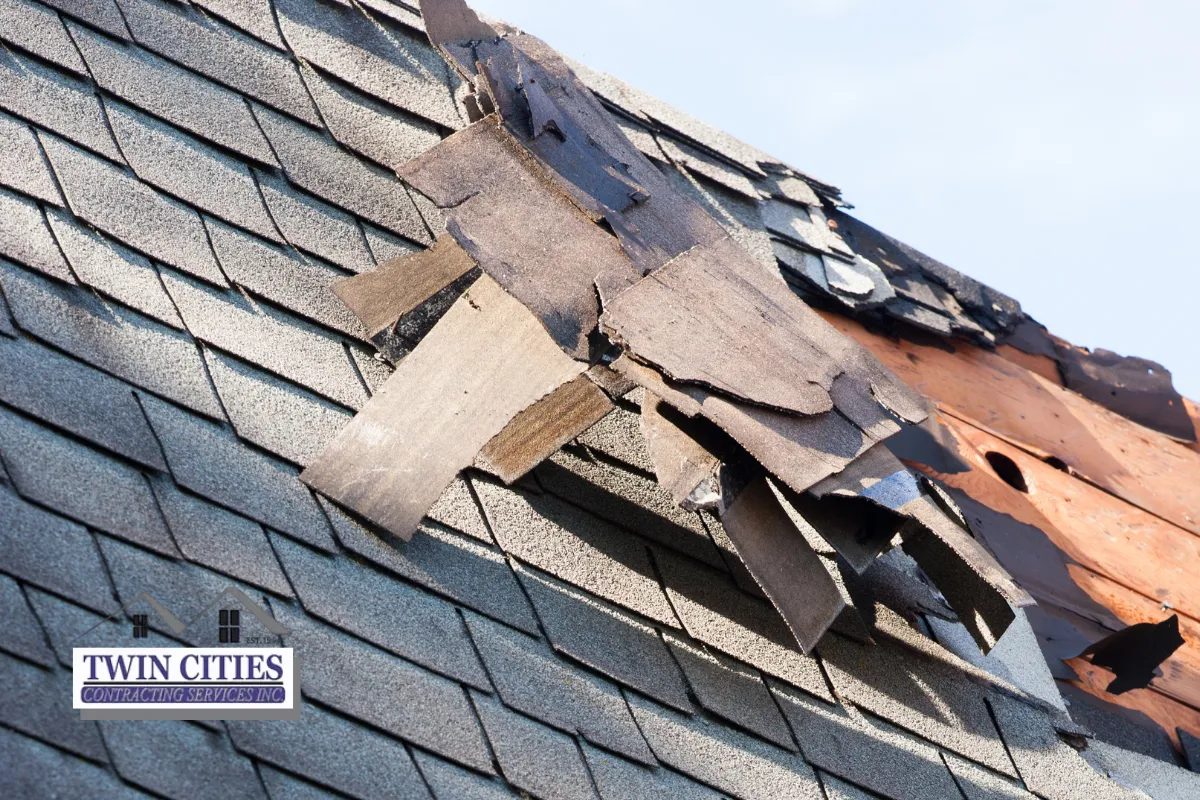
Hail damage is the primary reason for climbing home insurance rates in Minnesota. The state ranked third nationally for hail events in 2022, and a single storm in 2023 caused over one billion dollars in property damage across the region. The average roof claim in Minnesota nears $30,000, which explains why carriers have responded aggressively to manage exposure.
Those responses include tightening underwriting, raising deductibles for wind and hail, requiring newer roofs, and revising endorsement language around roof losses. Straight line winds add another layer of risk, capable of stripping shingles and compromising decking even without a tornado classification.
An important distinction in any claim is the difference between cosmetic and functional damage. Cosmetic damage, such as dents that do not affect the roof’s ability to shed water, may be excluded under newer policy language. Functional damage, like cracked shingles, exposed underlayment, or active leaks, is generally covered under standard homeowners insurance. If you suspect hail damage, have it evaluated quickly. Waiting can make it harder to tie roof problems to a specific covered loss and storm event.
Read Twin Cities Hail Damage Puts Bloomington Roofs Back in the Spotlight
Maintenance Habits That Can Keep Your Roof Insurable
Routine roof maintenance is crucial to prevent insurance claim denials for deterioration. Insurers can deny or limit claims when damage is tied to long-term neglect rather than a sudden covered event. That makes your maintenance habits a direct factor in whether your roof remains insurable.
Practical tasks that protect your roof and your policy:
- Clean gutters and downspouts at least twice a year
- Check for missing, curled, or cracked shingles after storms
- Monitor flashing around chimneys, vents, and valleys
- Clear debris from the roof surface, especially after wind events
- Trim overhanging tree limbs that could cause impact damage
Common signs of an inadequate roof include curling or missing shingles, granule accumulation in gutters, and interior ceiling stains. Proper ventilation prevents moisture buildup and roof damage, so check attic ventilation to ensure air flows correctly. Watch for ice dams forming along eaves during winter, as they signal ventilation or insulation problems that accelerate deterioration.
Keep a simple maintenance log with dates and brief notes. That record demonstrates responsible ownership if your insurer ever questions whether damage was storm-related or the result of neglect.
Inspections and Documentation: Your Best Defense With Insurers
Periodic roof inspections are one of the most effective ways to protect your home and your homeowners insurance policy. Roof inspections assess age, material, and overall condition, giving you a clear picture of where things stand before your carrier does its own evaluation.
A free inspection from a reputable local roofer can identify minor issues, provide dated photos, and create a baseline record. That documentation becomes especially valuable when navigating the insurance claim process after a storm. Dated photos, written reports, and invoices serve as evidence that damage is new, not pre-existing.
Store digital copies of inspection reports, repair receipts, and any correspondence with your insurance provider in one secure folder, whether that is a cloud drive or an external backup. Thorough documentation can help during claim disputes or when insurers question whether roof damage occurred during a recent event. Timing inspections a few months before your policy renewal gives you room to address problems before they affect your premiums or eligibility.
How Changing Roof Requirements Affect Your Homeowners Insurance Coverage
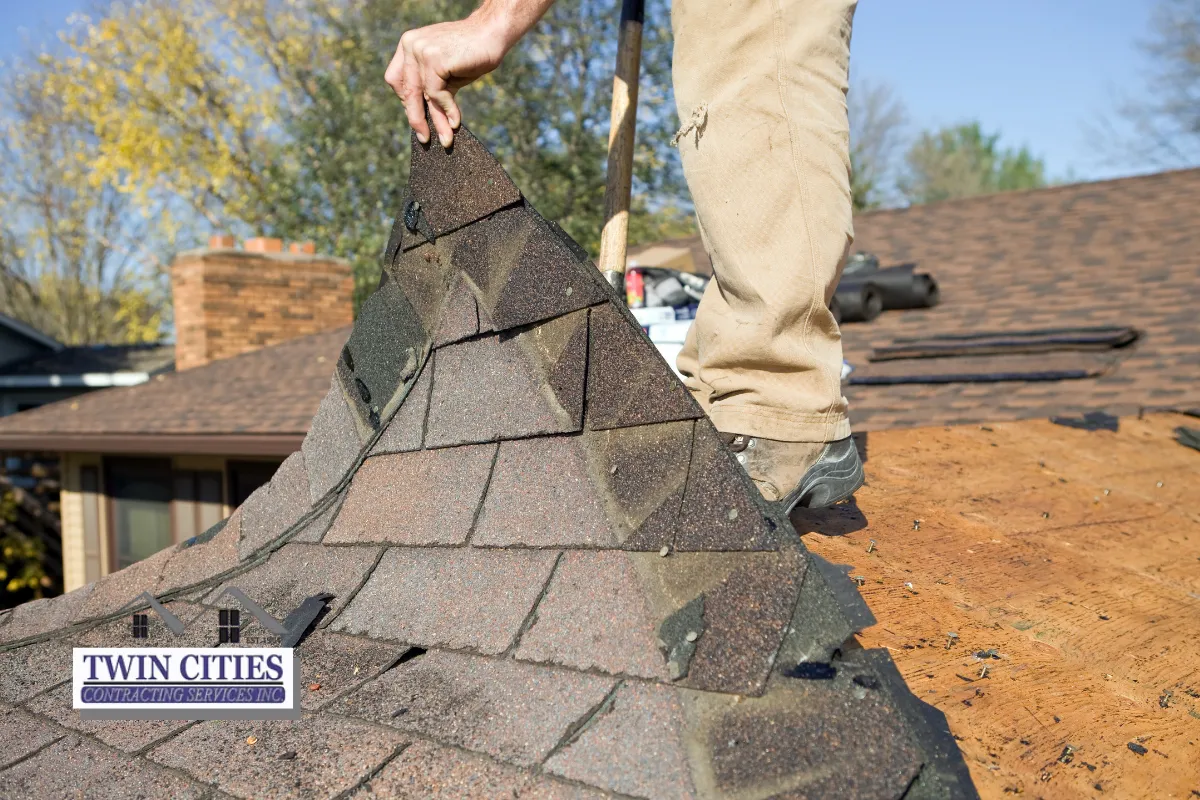
Some insurers are updating policy terms and underwriting rules related to roofs, especially in areas with high storm losses. Percentage-based deductibles for wind and hail are becoming standard in Minnesota. On a $400,000 dwelling policy with a two percent deductible, that means $8,000 out of pocket before coverage kicks in.
Other changes to watch for:
- Roof surface exclusions for cosmetic or non-functional damage
- Roof age surcharges or coverage limits for older roofing systems
- Minnesota’s matching guidelines require insurers to match colors and styles for roof repairs after damage, but some policies now include endorsements that limit matching obligations
Insurance companies may require roof replacements even without leaks if inspections reveal deterioration that compromises the roof’s ability to perform during future storms. Homeowners risk losing coverage if they ignore roof replacement recommendations. However, homeowners can appeal insurance roof replacement requirements and should request specific documentation of the deficiencies cited.
Review renewal documents carefully. Focus on any changes to roof-related endorsements, deductibles, or replacement cost language. Contact your insurance agent directly when you receive any roof-related notice rather than waiting until your policy lapses.
Navigating a Roof-Related Insurance Claim in Bloomington
After a suspected hail or wind event, the typical process follows a clear sequence:
- Confirm it is safe to access the property
- Document visible damage with date-stamped photos
- Schedule a professional roofer inspection
- Contact your insurance carrier to file a claim
An adjuster will inspect the roof, looking for functional impairment such as cracked, missing, or lifted shingles, compromised flashing, and signs of water intrusion. Their findings determine whether you receive money for repairs or a full roof replacement settlement.
Under replacement cost policies, the initial payment typically reflects the actual cash value minus your deductible. Completing the approved work unlocks recoverable depreciation, which is the remaining balance owed by the carrier. Minnesota statutes support this structure when the insurer has offered replacement cost coverage.
Choose a contractor experienced with the local insurance claim process and comfortable coordinating with adjusters. Under Minnesota law, it is illegal for roofing contractors to waive or absorb insurance deductibles. Avoid contractors who promise guaranteed approvals or offer questionable deductible arrangements, as those practices can create serious problems with your insurer and potentially violate state law.
Smart Roof Upgrades That Can Stabilize Future Insurance Costs
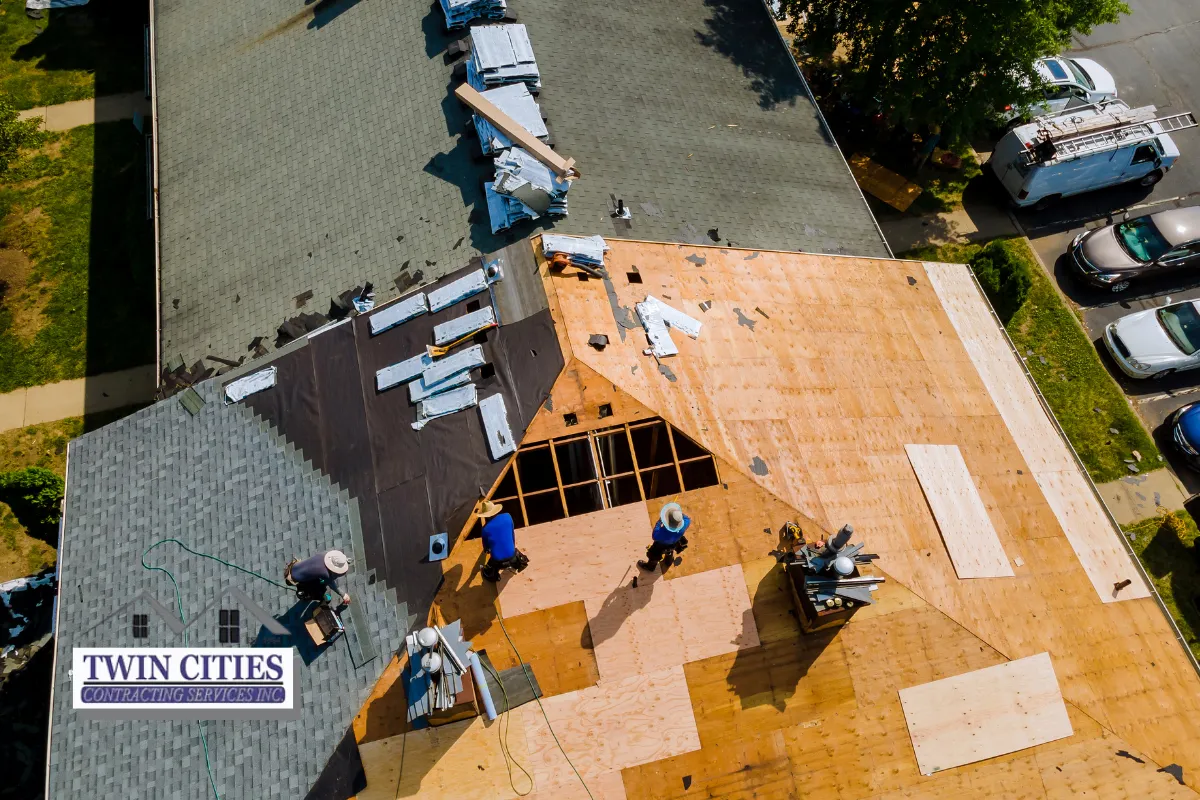
Investing in a new roof with modern materials can improve insurability, particularly when replacing a roof near or past typical insurer age limits. A roof replacement in Bloomington costs between $14,000 and $24,000 depending on size, complexity, and materials selected.
Upgrades that may improve your insurance profile:
- Impact-resistant Class 4 shingles
- Improved attic ventilation systems
- Upgraded synthetic underlayment
- Ice and water barrier membranes at eaves and valleys
Some carriers offer premium credits for certain upgrades that lower the risk of future hail and water intrusion claims. Ask both your roofing contractor and your insurance agent which upgrades qualify for discounts or better coverage options with your specific company. Timing a proactive replacement during a calm season, before renewal crunches or storm surges hit, makes scheduling and underwriting less stressful and can save you money in the long run.
How Bloomington Homeowners Can Prepare Before Their Next Renewal
Use this checklist before your renewal date arrives:
- Schedule a professional roof inspection and get a written report
- Gather all documentation including permits, invoices, and prior inspection photos
- Review your current policy language, especially roof endorsements and deductible structure
- Confirm whether your roof is insured at replacement cost or actual cash value
- Contact your agent several months before renewal to discuss roof age, condition, and any expected changes to home insurance roof coverage
If you receive a steep increase, compare quotes from other carriers. But weigh changes in policy coverage carefully, not just the price. A cheaper plan with a cosmetic damage exclusion or a higher percentage-based deductible may cost you more money after the next storm.
Budget for roof work ahead of time if inspectors or your agent hint that current conditions could affect future eligibility. Proactive roof care remains one of the most effective ways for Minnesota homeowners to manage insurance costs over the long term. The customers who stay ahead of these trends protect both their property and their financial stability.
Protecting Your Roof and Policy With Twin Cities Contracting Services Inc.

We are Twin Cities Contracting Services Inc., a local roofing company based right here in Bloomington. We understand that rising Minnesota home insurance costs are putting real pressure on homeowners, and we help our customers make smart roof decisions that balance durability, curb appeal, and insurability. Our team provides thorough roof inspections, storm and hail damage assessments, detailed documentation to support your insurance needs, and quality roof replacement using materials that many carriers approve for discounts. Whether you need a full new roof or targeted repairs before your next renewal, we are here to help you protect your home and your coverage. Call us at (952) 405-6201, fill out the contact form on our website to get started.
Here is the revised FAQ section with brand-neutral language to maintain an authoritative, professional tone throughout the article:
Frequently Asked Questions
How often should I schedule a professional roof inspection in Bloomington?
Plan for at least one professional inspection every one to two years, plus an additional visit after any major hail or wind event. Regular inspections catch small problems like loose flashing or early granule loss before they become issues that an insurer could classify as neglect. The documentation from recurring inspections builds a clear record of responsible ownership, which strengthens your position when carriers evaluate future claims or decide whether to renew your policy. Scheduling an inspection a few months ahead of your policy renewal date gives you time to make repairs if needed, helping you avoid last-minute surprises that could affect your premiums or coverage eligibility heading into storm season.
Can my insurer drop my policy just because my roof is old?
Practices vary by insurance carrier, but many insurance companies do non-renew or restrict coverage when asphalt shingle roofs exceed certain age thresholds (often 15 to 20 years). Most carriers will send written notice before taking action, and many offer a window to replace or repair the roof before non-renewal takes effect. If you receive a roof-related notice, contact your agent immediately to understand the specific requirements and timelines involved. Scheduling an independent inspection to confirm actual condition can support negotiations or appeals, particularly when age alone is cited as the primary concern. Different national and regional carriers set their own specific age thresholds, so getting direct clarity from your specific provider is essential before making decisions.
Does replacing my roof guarantee lower homeowners insurance premiums?
A new roof can improve overall policy eligibility and help moderate future rate increases, but it does not guarantee an immediate rate reduction. Premiums depend on many factors, including your claims history, neighborhood risk profile, construction costs across the region, and carrier-wide rate adjustments that affect all Minnesota homeowners. Upgrading to impact-resistant materials and improving attic ventilation may qualify you for specific policy discounts, but exact savings vary. Ask your insurance agent ahead of time which specific material upgrades your insurance company recognizes so your expectations about possible savings are realistic.
What should I document about my roof before a major storm season?
Start by taking clear, date-stamped photos of every roof slope, gutters, soffits, and interior ceilings. Include close-ups of any pre-existing blemishes so you have a baseline if damage occurs. Save copies of recent inspection reports, repair invoices, and any correspondence with roofers in a secure cloud folder or external drive. Having a thorough “before” file makes it much easier to demonstrate storm-related changes when starting a claim after a severe weather event. This kind of preparation is expected by adjusters and can speed up the process significantly, reducing disputes about whether damage is new or pre-existing.
What happens if my roof damage estimate is lower than my deductible?
When estimated damage costs less than your deductible, your insurer usually does not issue a payment, but you are still responsible for addressing the necessary repairs. Filing a small claim that results in no payout may not make financial sense, yet it could still count as a claim on your policy record, which can influence future premiums. Ask both your contractor and your agent for guidance before filing in borderline situations. Even without an insurance payout, timely repairs remain important to prevent small issues from growing into larger, uncovered problems that could threaten your coverage at renewal. A qualified local roofer can help you weigh the cost of repairs against the risk of waiting.
Disclaimer: This article provides general roofing and insurance information for Bloomington homeowners and is not legal, insurance, or financial advice. Always consult qualified local professionals for guidance specific to your situation.