

Twin Cities Hail Damage and What Bloomington Homeowners Must Do Now
On June 19, 2026, local news cameras captured hail falling across suburbs from Maple Grove to Roseville, and within hours the metro was buzzing with reports of dented cars, shredded landscaping, and roofs hammered by ice the size of a golf ball or larger. The problem is that Twin Cities hail damage does not always announce itself. Your roof may look fine from the driveway while bruised shingles, cracked mats, and loosened flashing quietly set the stage for leaks, mold, and costly repairs. If you wait too long, insurance claims, windows narrow, secondary water damage compounds, and what started as a manageable fix can become a full roof replacement. The solution starts now: inspect, document, and connect with a trusted local roofer before the next round of rain turns hidden damage into a real emergency inside your home.
Key Takeaways
- The June 19, 2026 hailstorms delivered damaging ice across the Twin Cities metro, and similar storm cells have continued to track through Bloomington throughout the summer, with the last storm occurring on August 7, 2026, bringing hail up to 2 inches and wind gusts reaching up to 60 to 70 mph.
- Hailstones can cause significant roof damage during storms, yet many homeowners do not see immediate signs of hail damage from the ground, making professional inspections and thorough photo documentation critical before filing insurance claims.
- Bloomington homeowners should act quickly: document all visible and hidden damage, protect exposed areas from further leaks, and schedule a qualified local roofer to assess any hail damage their home may have sustained.
- Hail damage can lead to leaks and mold in roofs if left unaddressed, and delayed action can complicate insurance claims due to strict filing deadlines.
- This article walks through what hail does to shingles, what warning signs to watch for in the coming weeks, and how to move from storm shock to a clear repair plan.
2026 Twin Cities Hailstorms Put the Metro on Edge Again

The afternoon of June 19, 2026 started like any other early summer day across the MN area, but radar told a different story. Isolated thunderstorm cells rapidly intensified over the western metro, and by late afternoon, TV stations were broadcasting live footage of golf ball sized hail bouncing off driveways and streets in Brooklyn Park, Columbia Heights, and Maple Grove. Severe weather events like these trigger significant effects for homeowners and contractors across the entire metro, and 2026 has been no exception.
While cameras focused on the hardest-hit north metro corridors, the same storm system pushed energy and moisture southward. Bloomington homeowners who watched the sky darken may not have seen the dramatic hail footage on their own block, but the cells responsible for damage in Shoreview and Woodbury carried enough intensity to produce meaningful roof impacts across a wide path. Reports confirmed severe hail can reach up to 2 inches in Bloomington, and the last major storm in the city on August 7, 2026 delivered egg-sized hail along with wind gusts reaching up to 60 to 70 mph.
Even for neighborhoods that did not see piles of ice on the lawn, roofs sitting at elevation catch what the ground sometimes misses. The June and subsequent summer storms brought more than just hail. Downed branches, scattered power outages that left thousands without electricity for hours, heavy rain causing brief street flooding, and reports of tree damage across multiple suburbs all accompanied the severe weather.
Key characteristics of the 2026 storm season so far:
- Hail sizes ranging from pea sized and dime sized hail up to golf ball size hail and even half dollar sized hail across different cells and neighborhoods
- Rapid intensification during mid-to-late afternoon hours, with little warning time before the worst hail arrived
- Strong wind gusts accompanying hail, bending branches and driving ice sideways into siding, windows, and exposed roof faces
- Multiple storm cells merging and reforming along the same general path through the metro valley, increasing cumulative exposure for properties in the line of repeated weather
How Hail Actually Damages Asphalt Shingle Roofs
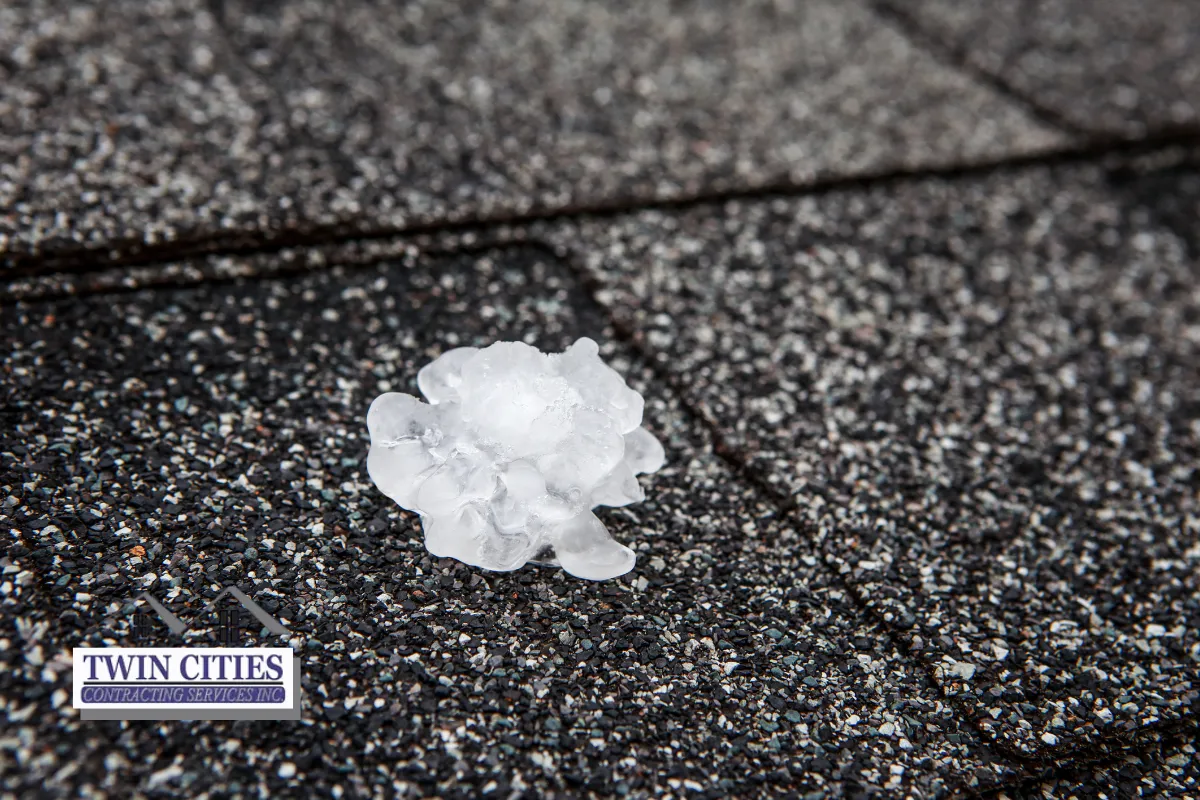
When a hailstone drops from the sky at terminal velocity and strikes your roof, it is not a gentle tap. Hailstones can cause significant roof damage, and the physics behind it are straightforward. The kinetic energy of a falling stone transfers directly into the shingle surface, and hail can cause bruising and cracking of asphalt shingles even when the stone is relatively small.
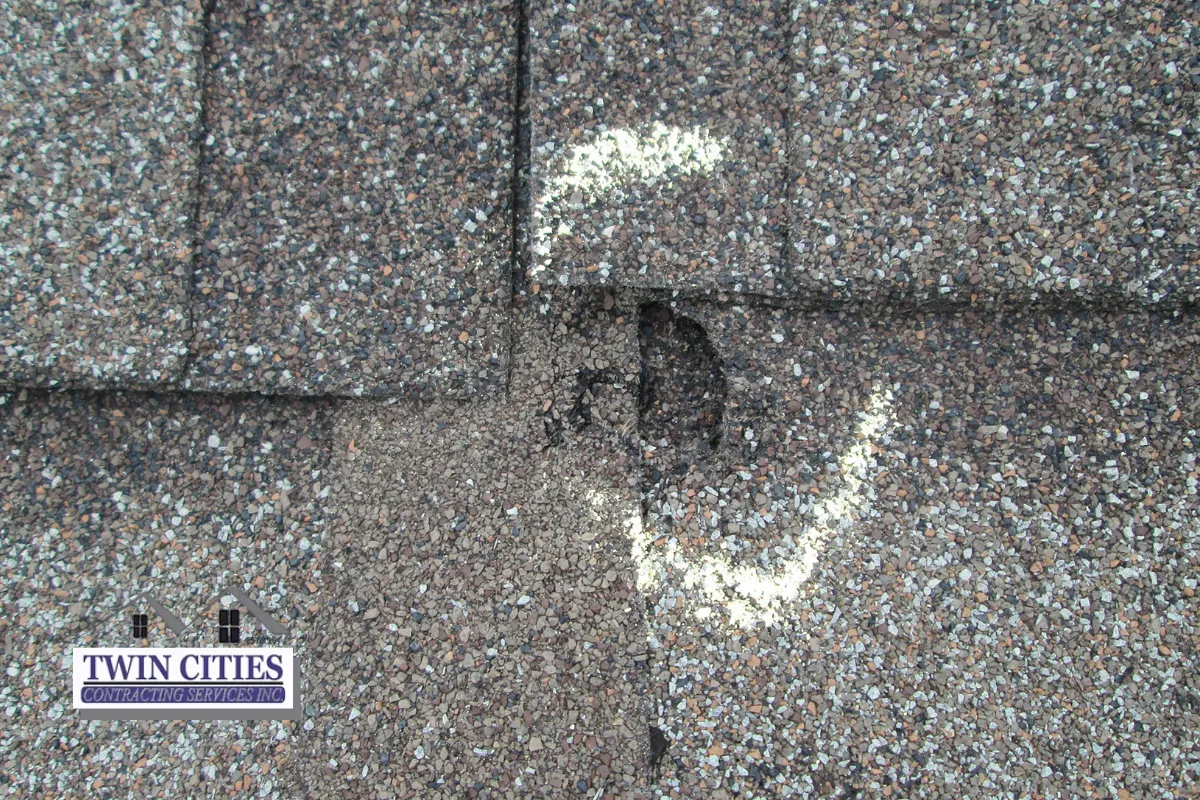
Asphalt shingles are built in layers: a fiberglass or organic mat saturated with asphalt and coated with ceramic granules that act as armor against UV rays and physical wear. When hail hits, it can bruise the underlying mat, fracture the fiberglass reinforcement layer, and blast granules loose from the surface. Think of it like pressing your thumb hard into a firm piece of fruit. The skin may look intact at first, but the tissue underneath is damaged and will deteriorate faster than the surrounding area.
Research from the Insurance Institute for Business and Home Safety identifies three main ways hail behaves on impact:
- It bounces, transferring sharp force and creating dents or fractures
- It shatters, spreading energy across a wider area and dislodging granules in irregular patterns
- It turns to slush on softer impacts, leaving smoother abrasion marks and patchy granule loss
Even inch hail in the one-to-one-and-a-quarter-inch range can shorten a roof’s useful life, particularly on older shingles where the asphalt has already become brittle from years of sun exposure. Golf-ball-sized hail can shorten roof lifespans by 20 to 30 percent, and larger stones can cause immediate functional damage that allows water infiltration. Repeated hail events in the Twin Cities corridor compound wear year after year, meaning each new storm chips away at what is left of your roof’s ability to shed water reliably.
- A one-inch hailstone striking at roughly 40 mph delivers enough force to bruise shingle mats and loosen granule adhesion
- Stones at 1.5 inches and above begin to crack shingles, split corners, and deform the fiberglass reinforcement
- Half dollar sized hail and larger can punch through weakened or aged shingles entirely, creating immediate breach points
- Each successive storm reduces the remaining protective capacity, even if no single event seems catastrophic on its own
Damage You Cannot See from the Sidewalk: Hidden Roof Impacts
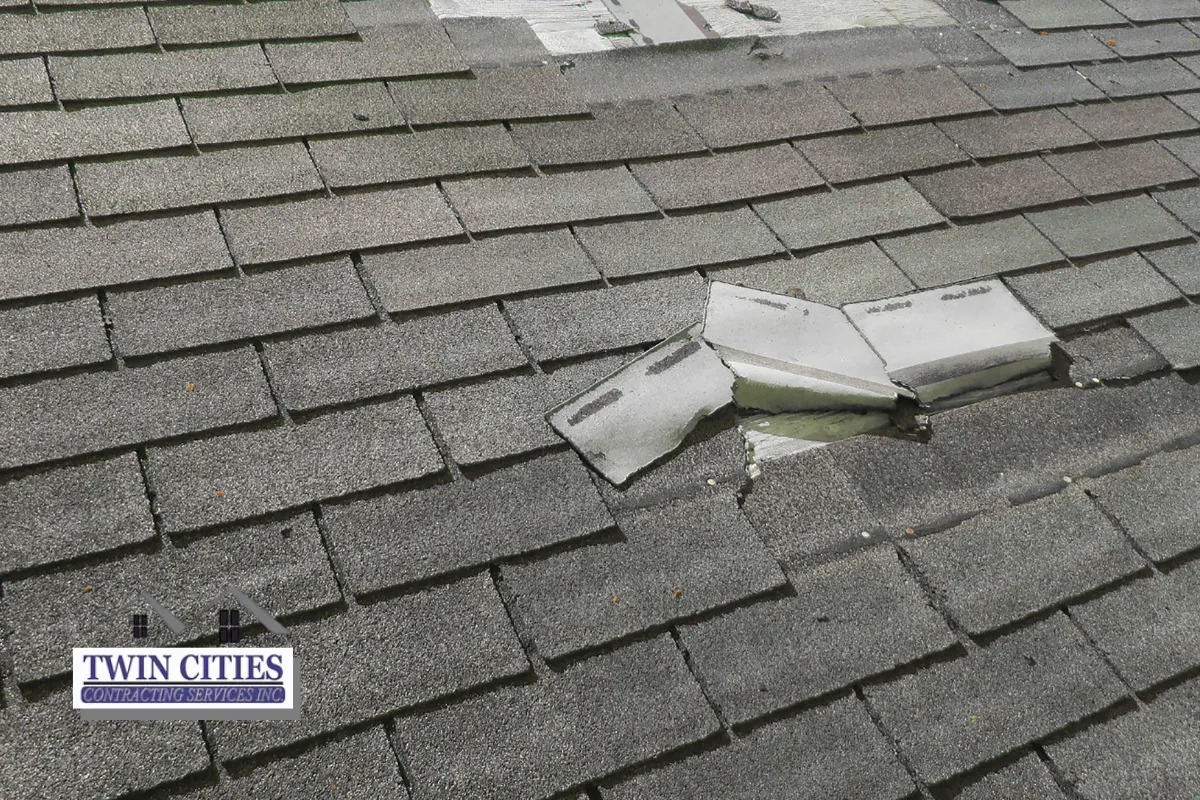
One of the most frustrating realities of a hailstorm is that the worst damage often stays out of sight. Many homeowners do not see immediate signs of hail damage from the ground, especially on two-story homes, low-slope roof sections tucked behind dormers, or areas shielded by trees. Standing in the yard and looking up might show a roof that appears intact, but that surface-level impression can be dangerously misleading.
Here is what a close inspection often reveals that a ground-level view cannot:
- Fractured shingle mats beneath intact-looking granule surfaces, where the fiberglass reinforcement has cracked from impact but the outer layer has not yet visibly failed
- Loosened seal strips along shingle edges, which are designed to keep wind-driven rain from getting underneath but can separate under hail impact, creating entry points for moisture
- Micro-cracks radiating from nail holes or at shingle corners, invisible from even ten feet away but capable of wicking water during a sustained rain event
- Compromised underlayment beneath shingles, where repeated impacts or a single hard strike pushes energy through the shingle and deforms the protective layer below
- Attic decking and sheathing showing faint water stains or darkened wood weeks after the storm, long after hail has left the news cycle and homeowners have stopped thinking about it
The safe and practical advice here is straightforward: do not climb your own roof. The combination of wet surfaces, steep pitches, and unfamiliar footing creates real fall risks. Trained professionals carry proper fall protection and know where to step, where to look, and what subtle signs to flag for further review.
Granule Loss: The Silent Sign of a Shortened Roof Lifespan
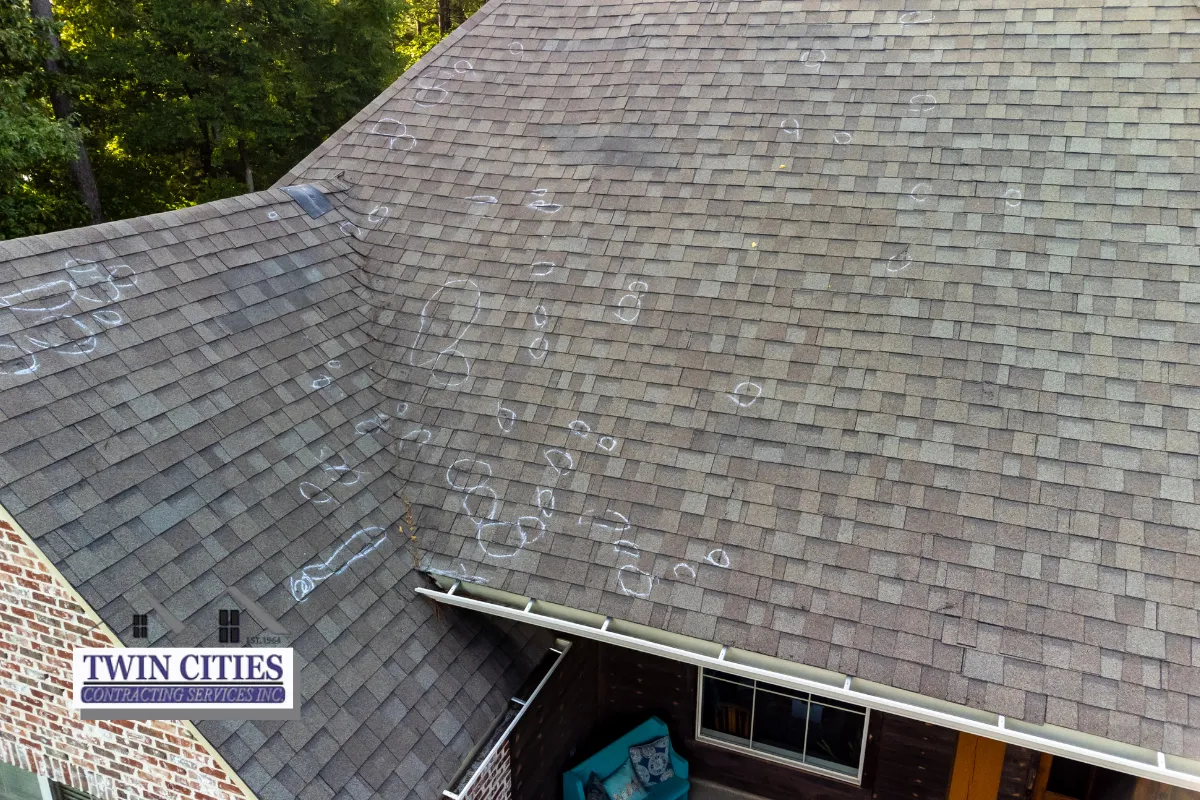
Granules are the small, sand-like ceramic particles embedded in the surface of every asphalt shingle. They serve a critical purpose, shielding the asphalt layer from ultraviolet radiation and physical wear. When hail dislodges these granules, it exposes the underlying asphalt directly to the sun, accelerating drying, cracking, and aging far beyond what normal weathering would cause.
After a hailstorm, the telltale sign of granule loss is often found at ground level rather than on the roof itself. Gutters, downspout exits, and splash blocks collect a dark, gritty residue that looks like coarse sand. Some granule shedding is normal over the life of a shingle, especially in the first year after installation. But a sudden, heavy accumulation after a storm points to impact-driven loss that shortens the roof’s remaining service life.
Long-term studies on granule retention, including decade-long monitoring by forensic engineering firms, show that hail impacts not severe enough to create visible fractures can still reduce granule count significantly. The result is shingles that age several years faster than their unaffected neighbors, even if both were installed at the same time.
For Bloomington homeowners checking their own property after a storm, here is a quick granule-loss checklist:
- Look at the bottom of downspout exits and around splash blocks for unusual accumulations of dark, gritty material
- Check gutter troughs if you can safely see into them from a ladder at gutter height, not from the roof itself
- Examine the ground around the drip line of the roof for concentrated granule deposits, particularly on hard surfaces like walkways or the deck where they stand out
- Note whether the accumulation seems uniform around the house or concentrated on one side, which can indicate the direction of the hail path
Insurance adjusters evaluating a claim often look specifically for granule loss patterns as evidence supporting hail damage repair eligibility. Documenting what you find in the gutters and at downspout exits with photos adds meaningful weight to your case.
Dented Vents, Flashing, and Gutters: Metal Tells the Truth About Hail
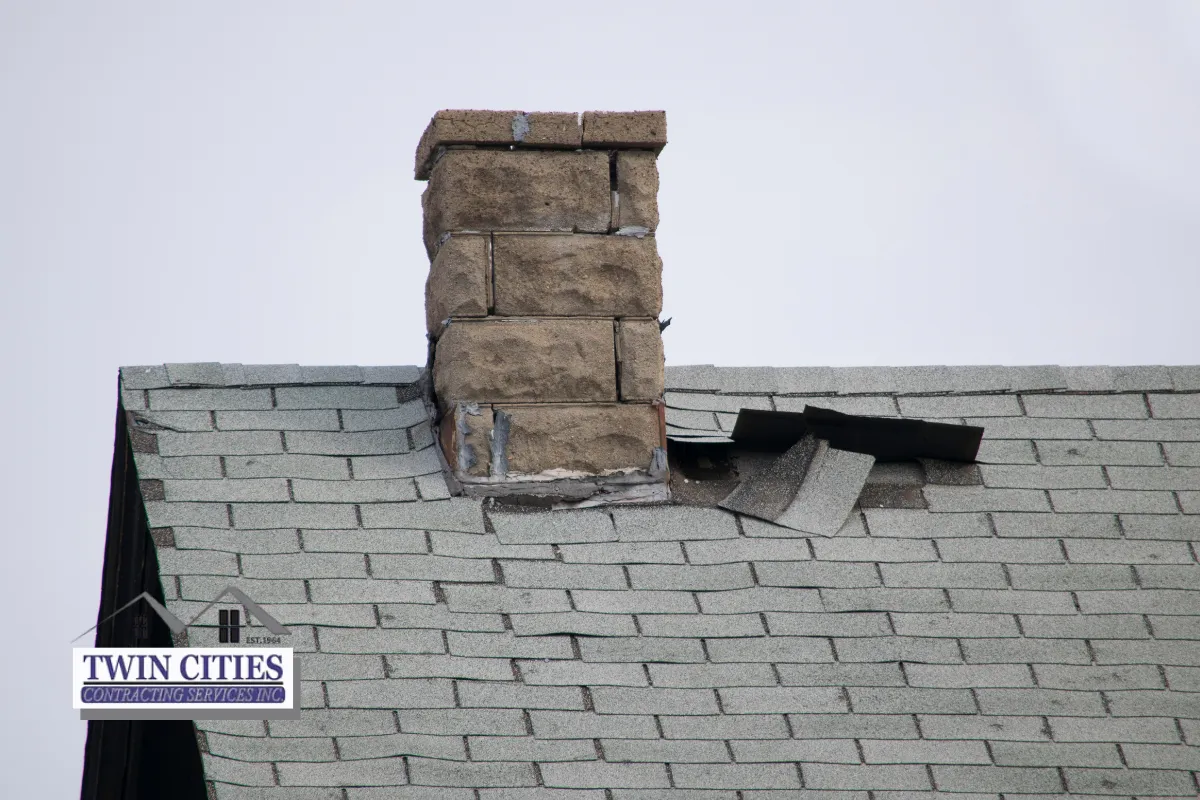
Metal roof components do not lie. While shingle damage can be subtle and subjective, dents on aluminum vents, furnace caps, pipe boots, and gutter faces are unambiguous evidence that hail struck your roof with force. Hail storms do not just affect roof shingles but can damage gutters and window screens, and those metal surfaces often tell the clearest story about what happened during a storm.
From the ground, Bloomington homeowners may be able to spot some of these indicators without climbing:
- Dimpled or cratered surfaces on metal furnace exhaust caps visible from certain angles
- Dented gutter faces or lips, especially along the side of the house that faced the direction of the storm
- Misshapen downspout sections, bent fascia covers, or creased aluminum trim
- Damaged window screens with small punctures or stretched mesh
While some of these dents are cosmetic, others matter structurally. Dented or shifted flashing around chimneys, skylights, or plumbing vents can open gaps that let water run behind the shingle system and into the roof deck. Even a small shift in a pipe boot collar can channel rain directly onto exposed wood during the next heavy rain.
Photographing dented metal components immediately after the storm is one of the most effective things a homeowner can do. Adjusters and roofing professionals both rely on metal evidence to confirm the intensity and direction of hail impact, and those photos become powerful supporting documentation for any insurance claim related to storm damage in Bloomington.
Leaks That Show Up Weeks After the Hailstorm

Not every hail-related leak announces itself with a dramatic ceiling drip the night of the storm. In fact, some of the most damaging moisture intrusion begins quietly, days or even weeks later, when a normal rain event pushes water through fractures and gaps that the hail created but that were not yet large enough to leak on their own.
Hail damage can lead to leaks and mold in roofs when fractured shingle mats, loosened sealant strips, or shifted flashing allow slow seepage into the roof deck and attic space. The initial breach may be tiny, but sustained moisture exposure causes wood to swell, fasteners to rust, and insulation to clump, all of which compound the problem.
Warning signs to watch for in the weeks and months after a hailstorm:
- Early stage: faint brown or yellowish spots appearing on upper-level ceilings, especially near exterior walls or around bathroom exhaust vents
- Mid stage: peeling or bubbling paint at wall-to-ceiling corners, slight warping of drywall tape seams, and a musty odor in upper-level rooms or closets
- Late stage: visible water drips during rain, dark mold growth on attic sheathing, sagging ceiling drywall, and wet or compressed attic insulation
Many Bloomington homeowners connect these symptoms to a random rain event and miss the fact that the underlying cause was an earlier hailstorm. When you call a roofer to inspect, mention previous storm dates so the evaluation can be tailored to likely hail impact patterns rather than just general wear.
What Bloomington Homeowners Should Do in the First 24 to 72 Hours After a Hailstorm
The hours immediately after a hailstorm are when you set the foundation for everything that follows, from inspections to insurance claims to repairs. Homeowners should inspect for visible and hidden roof damage after severe storms, and the first few days are the most important window to capture conditions as they are.
Here is a practical, time-based checklist:
- Confirm safety first. Make sure everyone in the house is accounted for. Check for broken windows, fallen branches near power lines, and any active water leaks coming through the ceiling. If you see sparking wires or smell gas, contact emergency services before doing anything else.
- Walk the exterior from the ground. Look at siding for chips or cracks, check window frames for impact marks, examine soft metal surfaces like mailboxes, patio furniture, and car hoods for dents. These clues tell you what the hail did at ground level and suggest what likely happened up on the roof.
- Check the yard for hail evidence. Note the size of any remaining stones, photograph them next to a coin or ruler for scale, and look at landscaping for shredded leaves, broken stems, or gouged mulch.
- Document everything with your phone. Take wide shots of the whole house, mid-range shots of specific areas like gutters and vents, and close-up photos of any damage you can see. Make sure your phone’s date and time stamp is enabled.
- Cover exposed areas if it can be done safely. If a skylight is cracked, a vent cover is missing, or shingles are visibly torn and underlayment is exposed, a tarp or plastic sheeting secured with boards can prevent active water entry during the next rain. Only do this from ground level or easily accessible low-pitch areas.
- Contact a reputable local roofing company for a preliminary hail damage inspection before calling your insurer. Knowing the scope of damage before you file gives you a clearer picture of what to expect from the claims process.
When to Schedule a Professional Roof Inspection After Twin Cities Hail Damage
Timing matters more than most homeowners realize. Severe hail events increase demand for roof inspections and repairs across the metro, and hail impacts often result in longer wait times for roofing repairs as contractors fill their schedules. Waiting until you notice a leak means you are already behind, both in terms of physical damage and in the queue for professional help.
The practical guidance is to schedule an inspection within days to two weeks after a significant hail event. Contractors face backlogs after significant storm damage events, and adjusters are similarly booked. Getting on a roofer’s schedule early means your inspection happens while evidence is fresh and before subsequent rains wash away surface-level clues like granule deposits.
Even if no leaks are visible, the cumulative effects on shingle life from repeated storms in 2026 can justify an inspection. Bloomington has already dealt with multiple rounds of severe weather this year, and each event may have compounded earlier damage.
Timing guidelines based on what you observe:
- Minor storm with pea sized or dime sized hail and light wind: schedule within two to three weeks. Damage may be limited, but checking metal components and gutters is still worthwhile.
- Moderate storm with inch hail to golf ball size hail and sustained winds: schedule within one week. Shingle bruising and granule loss are likely, and documentation is important for potential insurance claims.
- Severe storm with half dollar to larger sized hail and strong gusts: schedule as soon as possible. Functional roof damage is probable, and delaying inspection risks secondary water damage that complicates both repairs and claims.
If new hail hits the same neighborhood later in the season, a follow-up inspection may be needed to separate older damage from fresh impacts.
How to Safely Check for Hail Damage from the Ground
You do not need to climb a ladder or walk on your roof to gather useful information. Hail damage often affects more than just the roof, and ground-level evidence can paint a surprisingly detailed picture of what your roof likely experienced.
Start with a slow walk around the perimeter of your home. Look at every surface that faces the sky or sits at an angle to the prevailing storm direction.
Visual cues to check from the ground:
- Siding panels with chipped paint, cracked vinyl, or small circular impact marks
- Window frames or glass with chips, especially on upper-story windows facing the direction the storm came from
- Fascia boards or aluminum trim with dents or creased edges
- Gutters with visible dimples along the outer face or bent hangers
- Downspout sections with dents or deformation
- Mailboxes, light fixtures, or fence caps with fresh dents
- Landscaping showing shredded leaves, broken stems, or scattered mulch
- Detached buildings on a property can also suffer damage during hailstorms, so check sheds, garages, and any outbuildings for the same signs
Take both wide-angle and close-up photos with your phone. Enable date and time stamps, and consider placing a coin next to any dents for scale reference. These images become part of your documentation file and can be shared with your roofer and adjuster later.
For safety, avoid using ladders on wet surfaces, do not attempt to access steep pitches, and leave rooftop walking entirely to trained professionals with proper equipment.
Why Bloomington Roofs Are Especially Vulnerable to Repeated Hailstorms
Bloomington is a mature city with a population of approximately 89,987 and a housing stock that reflects decades of residential development. Many homes in established neighborhoods carry roofs that are 20 to 30 years old or older, well into the age range where asphalt shingles have lost significant flexibility and granule adhesion. These older roofs are more likely to sustain damage from a hailstorm that a newer roof might shrug off.
Bloomington experiences intense spring hail corridors regularly, and the city sits in a geographic zone where warm, moisture-laden air from the south collides with cooler systems tracking across the upper Midwest. This produces conditions favorable for severe thunderstorm development, particularly from late April through August. Bloomington homes face intense spring hail corridors that funnel storm energy through the metro on a recurring basis.
The numbers tell the story. Bloomington had 147 hail reports in the last 12 months and has experienced 19 severe storm days recently. The peak hail size reported in the city was 3.3 inches, large enough to cause serious structural damage to virtually any residential roofing material. Each of these events adds cumulative stress to shingle systems that may already be carrying damage from previous seasons.
Common roof types across Bloomington include:
- Three-tab asphalt shingles, often found on homes built in the 1970s through 1990s. These have thinner profiles and are more susceptible to cracking and granule loss from hail impact.
- Architectural or laminated asphalt shingles, common on homes built or reroofed from the late 1990s onward. These offer more mass and better impact resistance but still degrade with age and repeated exposure.
- A small percentage of homes with wood shake, metal, or specialty materials that respond differently to hail but are not immune to damage.
Homeowners who had borderline damage from earlier storms should be particularly alert after the 2026 events. A roof that barely passed inspection last year may not survive another round of impact without crossing into territory where full replacement makes more sense than continued patching.
Documenting Roof and Property Damage for Future Insurance Claims
Documenting roof damage is crucial for insurance claims, and the quality of your documentation can directly affect the outcome. Adjusters evaluate claims based on evidence, and organized, clear photos with contextual notes make their job easier and your case stronger.
Here is a step-by-step approach to building a solid documentation file:
- Take wide shots of each side of your house, capturing the full roofline, gutters, and siding in context. These establish the overall condition and orientation of the property.
- Move to mid-range shots that focus on specific areas of concern: a section of gutter with visible dents, a vent cap with dimples, a patch of siding with impact marks.
- Capture close-ups of individual damage points. Place a coin, ruler, or other common object next to dents, cracks, or granule loss areas to provide scale. This helps adjusters and roofers understand the size and severity of impacts without being on-site.
- Photograph granule accumulations at downspout exits, splash blocks, and in gutter troughs. These ground-level images corroborate what a rooftop inspection will find on the shingle surface.
- If you can safely look into the attic, photograph any water stains, damp sheathing, or discolored insulation. Use a flashlight and your phone camera to capture conditions.
Beyond photos, keep a simple storm log. Record the date and time of the storm, your estimate of hail size based on what you observed, any immediate issues like broken glass or active leaks, and the general weather conditions including wind direction and rain intensity. This log becomes a reference point when you file your claim and when your roofer discusses findings.
Back up all photos and notes to cloud storage or email them to yourself so they are accessible even if your phone is damaged or replaced. Many professional roofing inspectors will also capture detailed images during their assessment, but having your own contemporaneous documentation adds credibility and a timeline that supports your claim.
Working with Your Insurance Company After a Bloomington Hailstorm
Filing an insurance claim after a hailstorm does not need to be intimidating, but it does require some awareness of how the process works and where homeowners can protect their interests.
The typical sequence looks like this:
- Call your insurance company to report the damage and receive a claim number. Under Minnesota law, insurers are required to acknowledge new claims within 10 business days.
- An adjuster is assigned to your claim and schedules a visit to inspect the property. During busy storm periods, this visit may take several weeks to schedule because of the volume of claims across the metro.
- The adjuster inspects the roof, documents findings, and prepares an estimate. Having your own documentation and a roofing professional’s report ready before or during this meeting creates a more complete and productive conversation.
- The insurer issues a determination: approved, partially approved, or denied. If approved, you receive payment based on the scope of damage, minus your deductible.
Insurance claim processes require timely submission after storm damage. Many homeowners face strict deadlines to file storm-related insurance claims, and in Minnesota, the date of loss is anchored to when the storm occurred, not when you discovered the damage. Waiting months to file can jeopardize your coverage or reduce the valuation of your claim.
Roofing contractors in Bloomington handle insurance claims for repairs regularly and can help homeowners understand what to expect. Hail claims in Minnesota can often reach amounts between $40,000 to $60,000 for full roof replacements, depending on the size of the home, materials involved, and extent of collateral damage to gutters, siding, and other components.
Things to keep in mind:
- Review your policy for deductibles, especially whether your hail and wind deductible is a flat dollar amount or a percentage of your dwelling coverage
- Look for cosmetic damage clauses that may limit coverage for dents or granule loss that does not affect water-shedding function
- Conventional policies may shift towards actual cash value endorsements for roofs over a certain age, which means depreciation is factored in and you may receive less than full replacement cost
- Do not sign any contracts you do not fully understand. Once a claim is approved, review the scope and pricing carefully before authorizing work.
Spotting Storm Chasers and Choosing a Trusted Local Roofer
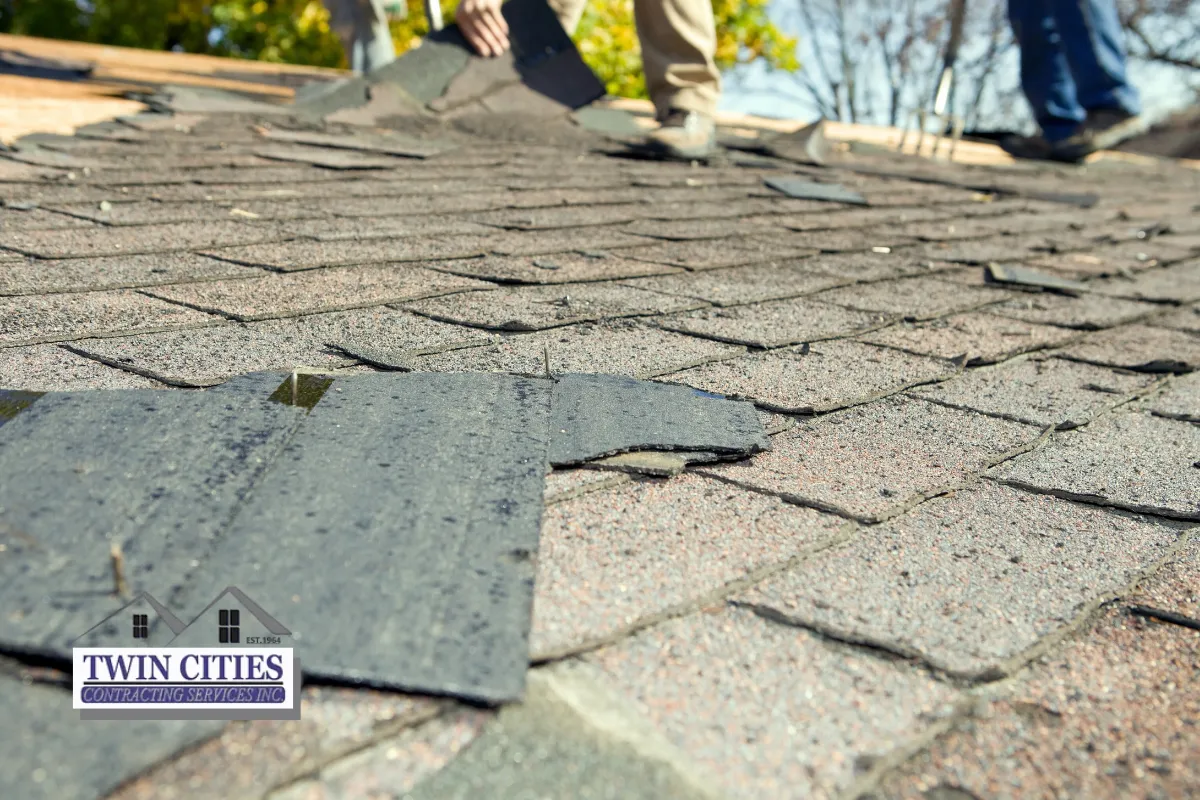
Within days of any major hailstorm across the Twin Cities, unfamiliar trucks and crews begin canvassing neighborhoods, knocking on doors, and offering free inspections and promises of hassle-free insurance work. Some of these operators are legitimate. Many are not.
Red flags to watch for:
- No verifiable local address or permanent office in the Bloomington or greater Minneapolis area
- Reluctance to provide a Minnesota contractor license number, proof of liability insurance, or workers’ compensation coverage
- High-pressure tactics like claiming you must sign today or lose your chance at a full replacement
- Offers to cover, absorb, or rebate your deductible, which is strictly illegal under Minnesota Statute § 325E.66 and prohibits contractors from offering financial incentives funded by insurance claim proceeds.
- Vague or verbal-only contracts with no written scope of work, materials list, or warranty terms
The benefits of choosing an established, locally based roofing company are practical. A contractor rooted in Bloomington understands local building codes and inspection requirements, carries relationships with material suppliers in the MN area, and will be around next year if a warranty issue comes up. They also understand how to work within the insurance claims process without overstepping legal or ethical boundaries.
Before hiring anyone, check references, read online reviews, and verify that the proposed hail damage repair scope aligns with what your adjuster documented. A trustworthy roofer will welcome that kind of scrutiny rather than discouraging it.
Temporary Roof Protection vs. Full Hail Damage Repair
Not every roof problem requires an immediate full replacement. Sometimes the right move is a temporary measure that stops active water entry while you wait for an adjuster visit, materials to arrive, or your contractor’s schedule to open up. Other times, the damage is severe enough that anything short of a complete repair or replacement is just postponing a bigger problem.
Hail damage repairs can cost between $1,000 and $4,000 for localized issues like replacing a section of damaged shingles, resealing flashing, or replacing a cracked vent boot. Full roof replacements obviously cost more, but understanding the distinction between emergency patching and permanent repair helps homeowners make smarter decisions during a stressful time.
When temporary protection makes sense:
- Active leaks during ongoing rain that need to be stopped to prevent interior water damage
- Broken skylights or cracked vent covers exposing the roof deck to open air
- Torn shingles with visible underlayment that will degrade quickly under UV and moisture
- Emergency tarping to cover large areas until a full inspection can determine the scope of permanent repair
Homeowner policies usually require mitigation of secondary damage after storms. That means taking reasonable steps to prevent a small problem from becoming a large one. Tarping an active leak, boarding a broken window, or covering a damaged skylight are all considered reasonable mitigation, and most insurers will cover those costs when supported by receipts and photos.
But tarps are not roofs. They degrade in sun and wind, and they can create their own problems if improperly secured. View any temporary measure as a bridge, not a destination, and schedule your permanent evaluation as soon as conditions allow.
How Roof Age and Previous Repairs Affect Hail Damage Outcomes
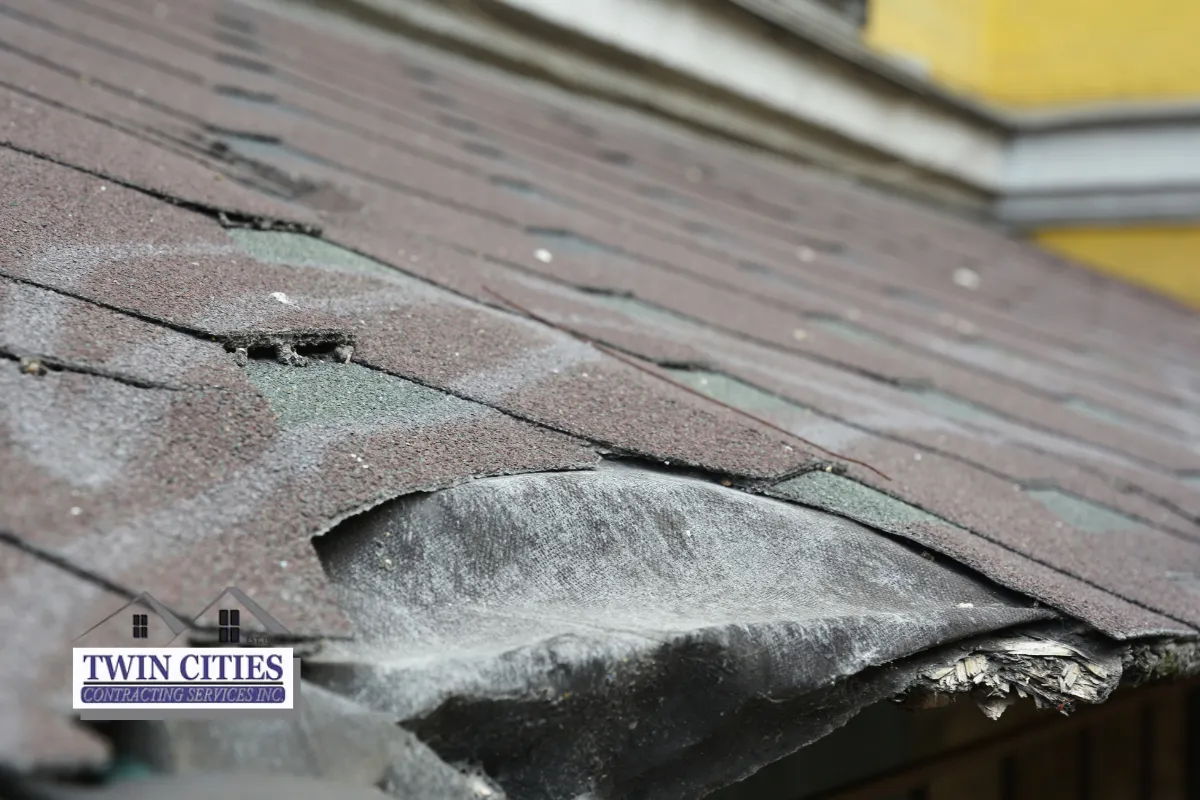
A roof’s age is one of the single biggest factors in how it responds to hail. Old roofs are more vulnerable to hail damage and may require replacements rather than repairs because the asphalt has lost its pliability over years of thermal cycling, UV exposure, and previous weather events. A shingle that was flexible enough to absorb a one-inch hailstone impact at year five may crack under the same impact at year twenty.
Prior patchwork repairs add another variable. Mismatched shingles, whether different in thickness, granule type, or manufacturer, can respond differently to the same hail event. One section may show only bruising while an adjacent patch with older, thinner shingles may crack and breach. These inconsistencies complicate inspections and can lead to disputes during the claims process about what is storm damage versus pre-existing wear.
Bloomington homes with roofs nearing the end of their typical service life, generally 20 to 30 years for standard asphalt shingles, may find that a storm pushes them past the point of practical repair. At that stage, the cost of patching multiple damaged areas, replacing failing flashing, and addressing compromised underlayment may approach or exceed the cost of a new roof that comes with a fresh warranty and modern impact resistance.
If you have previous roof inspection reports, invoices from past repairs, or warranty documentation, share them with your inspector. This history helps the roofer assess the realistic remaining service life of your system and provide an honest recommendation about whether repair or replacement is the more sensible path forward.
Inside the Attic: Clues Your Roof Took a Hit
If your home has an accessible attic, a careful look inside can reveal early signs of hail-related problems that are not yet visible on ceilings or walls. This is where moisture from shingle breaches first arrives, and catching it early can prevent thousands of dollars in secondary damage.
What to look for during a safe attic check:
- Damp or darkened spots on the underside of roof sheathing, particularly in areas that correspond to roof valleys, penetrations, or sections facing the direction of the storm
- Nail tips showing fresh rust or moisture droplets, which indicate water is tracking along fasteners from the outer surface
- Insulation that feels wet, clumpy, or has settled unevenly compared to surrounding areas
- Daylight visible through the roof deck, even in small pinpoints, which indicates a breach in the shingle and underlayment system
- New water stains around vent or exhaust penetrations that were not present before the storm
Be cautious about where you step. Walk only on ceiling joists, never on the drywall between them. Use a flashlight or headlamp and wear a dust mask if the space is dusty or shows signs of mold. Not every home has an easily accessible attic, and if yours does not, skipping this step is perfectly fine. A professional inspector can evaluate the attic space as part of a full roof assessment.
Document anything you find with photos and share the images with both your roofer and your insurance company if you file a claim. Attic evidence often provides the clearest connection between a storm event and moisture intrusion.
Common Questions Bloomington Homeowners Ask After Hail Hits
After a major storm rolls through, the same questions come up again and again. Here are a few of the most common concerns with straightforward answers.
How big does hail have to be to damage my roof?
Sized hail starting at about one inch in diameter can begin to cause meaningful damage to asphalt shingles, especially on roofs that are more than 10 to 15 years old. Larger stones like golf ball size hail cause more severe impacts, but even smaller hail repeated over multiple storms adds up. Do not assume that because the hail you saw on the ground looked small, your roof is fine.
Can I wait until next year to decide about repairs?
You can, but it carries risk. Hail-created fractures and loosened sealant can allow moisture intrusion during any rain event between now and your repair, and that moisture can cause mold, rot, and insulation damage that escalates costs significantly. There are also insurance implications, since policies often tie claim eligibility to timely reporting after the date of loss.
Will filing a claim automatically increase my premiums?
Policies vary, and there is no universal answer. Some insurers apply surcharges after claims, while others do not penalize weather-related claims. The better question is whether the cost of unrepaired damage over time will exceed whatever premium impact might occur. Consult your agent for specifics about your policy.
Are homeowners increasingly choosing impact-resistant roofing materials?
Yes. After repeated hail seasons, many homeowners are upgrading to impact-rated shingles when they replace their roofs. Products like Owens Corning Duration shingles resist winds up to 130 mph, and impact-rated options rated under UL 2218 standards can reduce hail damage risk significantly compared to standard shingles. Homeowners may consider upgrading to more durable roofing materials during any replacement project triggered by storm damage.
Protecting Your Home Until the Next Minnesota Storm Season
Hail season in the Twin Cities does not follow a neat calendar, but most severe activity clusters between late April and September. That leaves a window before and after peak season to take proactive steps that reduce your vulnerability.
Medium- to long-term maintenance actions that make a difference:
- Clean gutters and downspouts regularly so water can drain freely, reducing the chance of ice dams forming during winter
- Trim overhanging branches and trees that could break under wind or ice load and puncture roofing materials
- Monitor any spots where previous hail left visible marks or granule loss. If those areas show cracking, curling, or further deterioration, they may need attention before the next storm season
- Keep a simple storm log going forward. Record each significant weather event with dates, estimated hail size, and any immediate observations about your property
Bloomington’s freeze-thaw cycles start as early as October, meaning any unrepaired hail damage from summer storms will face thermal stress within weeks of the last warm days. Water that entered through cracks or loosened sealant expands as it freezes, widening gaps and accelerating deterioration through the winter.
If your roof needs replacement after hail, discuss impact-resistant shingle options and code-compliant underlayments with your roofer. The upfront cost is higher, but the long-term reduction in hail vulnerability can pay for itself over a single severe season. Proactive care and informed decisions reduce the risk of surprise leaks when the next round of Twin Cities hail damage comes through, and they help you prepare for what the sky brings rather than just reacting after the fact.
A Clear Plan for Bloomington Roofs After Hail
Storms happen across the metro every season, and 2026 has reminded Bloomington homeowners just how quickly conditions can shift from a normal afternoon to a hail event that puts every roof in a neighborhood at risk. But moving from worried to prepared does not require a massive effort. It requires a clear sequence of small, deliberate steps.
The three pillars that protect your home and your investment are consistent:
- Early inspection by a qualified professional who can identify what you cannot see from the ground
- Strong documentation with organized photos, notes, and a storm log that supports your insurance claim and gives your roofer a clear picture of what happened
- A trusted local roofing partner who understands Bloomington codes, works within the insurance process honestly, and stands behind their work after the job is done
Even if the damage from recent storms seems minor, addressing it now can prevent far more disruptive and expensive issues later. A small crack today becomes a ceiling stain next month and an attic mold problem by winter. A report filed on time is worth ten times what a late filing recovers.
Take at least one step today. Check your gutters for granules. Snap a few photos of your vents and siding. Call a roofer and get on their schedule. The sun comes back out after every storm, and the homeowners who recover fastest are the ones who expect the weather, act early, and do not wait for damage to announce itself from the inside of their house.
Schedule Your Bloomington Hail Inspection with Twin Cities Contracting Services Inc.

We are Twin Cities Contracting Services Inc., and we have been helping Bloomington homeowners protect their roofs since 1964. After the 2026 storms, our crews are ready to provide thorough hail damage inspections, detailed photo documentation, and honest recommendations you can trust. Whether you need hail damage repair, a full roof replacement, or guidance navigating your insurance claim for storm damage, we are here to get the job done right, on time, and for the price we quoted. A free hail damage inspection service is available in Bloomington through our office. Call us at (952) 405-6201, fill out the contact form on our website to speak with our team. If your roof took a hit this season, do not wait. Let us take a look and give you the straight answers you deserve.
Frequently Asked Questions
How Can I Tell If My Siding or Windows Were Damaged by Hail?
Siding damage from hail often shows up as small circular dents on aluminum or vinyl panels, chipped paint on wood lap siding, or cracked sections where a stone struck at an angle. On windows, look for chips or star fractures in the glass itself, as well as dents or gouges in the frame material. Window screens are particularly vulnerable and may show small holes or stretched mesh where hail punched through. Check every side of your home, not just the side facing the prevailing storm direction, because swirling winds during severe weather can drive hail from multiple angles. Photograph any damage you find alongside a reference object for scale, and include these images in your overall storm documentation package.
Should I Coordinate Roof and Gutter Replacements Together After Hail?
Coordinating roof and gutter work into a single project often makes practical and financial sense. When a roofer is already on-site with scaffolding, safety equipment, and a crew, adding gutter replacement to the scope avoids the cost of a second mobilization and minimizes disruption to your daily life. It also ensures that the drip edge, fascia, and gutter system are properly integrated with the new roofing materials, reducing the risk of future leaks at the roof-to-gutter transition. If your insurance claim covers both roof and gutter damage, bundling the work can simplify the process. Discuss this option with your contractor during the initial inspection so the scope and estimate reflect the full picture.
How Should I Prepare for an Insurance Adjuster’s Visit?
Before the adjuster arrives, gather all of your storm documentation: photos, your storm log with dates and observations, and any preliminary inspection report from your roofing contractor. Walk the property beforehand so you can point out specific areas of concern, including dented metal components, granule deposits, and any interior signs like ceiling stains or attic moisture. Have your policy information accessible so you can reference your deductible and any relevant endorsements or exclusions. Do not make permanent repairs before the adjuster sees the damage, as this can complicate the evaluation. If possible, have your roofer present or available by phone during the adjuster’s visit so technical questions can be addressed in real time.
Are Impact-Resistant Shingles Worth the Investment in Bloomington?
Given that Bloomington has experienced 19 severe storm days recently and had 147 hail reports in the last 12 months, impact-resistant shingles are a strong consideration for any homeowner facing a roof replacement. Products rated under UL 2218 Class 4 standards have been shown to reduce hail damage risk by 60 to 98 percent compared to standard shingles in modeled assessments. The upfront cost is higher, typically 10 to 20 percent more than conventional architectural shingles, but many insurance carriers offer premium discounts for impact-rated roofing that can offset part of that cost over time. For a city that faces intense spring hail corridors, the math increasingly favors the upgrade.
What Should I Do If My Insurance Company Initially Denies My Hail Claim?
A denial is not necessarily the final word. Start by requesting a written explanation of the denial, including the specific policy language the insurer is citing. Common reasons include classifying damage as cosmetic rather than functional, attributing damage to wear and tear rather than a specific storm event, or determining that the roof was beyond its useful life before the storm occurred. You can request a reinspection, submit an independent engineering report from a qualified roofing forensic expert, or invoke your policy’s appraisal clause if one exists. In Minnesota, homeowners also have the option of filing a complaint with the Minnesota Department of Commerce if they believe the insurer has not handled the claim in accordance with state statutes governing fair claims practices.
Disclaimer: This article provides general information about Twin Cities hail damage and Bloomington roofing concerns. It is not legal, insurance, or professional roofing advice. Homeowners should consult qualified professionals for guidance specific to their property and policy.