

Why Minnesota Roof Insurance Is Quietly Changing in Bloomington
Minnesota ranked third nationally for hail events in 2022, and a single 2023 storm caused over one billion dollars in roof damage across the state. Those numbers forced insurance companies to rethink how they handle roof coverage. For Bloomington homeowners, that means the homeowners insurance policy you renewed last year may not work the way you expect when hail hits again. Many homeowners only discover gaps in homeowners insurance roof replacement coverage after a storm, when a claim is denied or the payout barely covers half the repair.
Minnesota roof insurance is changing fast, and the shifts are happening in the fine print, not the headlines. As reported by CBS News Minnesota, homeowners across the state are seeing major policy shifts—from separate wind/hail percentage deductibles to depreciated actual cash value payouts on older roofs. This article walks through seven specific checks you should make now, before the next hailstorm, focused entirely on what your insurance coverage actually includes. next hailstorm, focused entirely on what your insurance coverage actually includes.
Key Takeaways
- Insurance carriers are restructuring how roof damage is covered in Minnesota, shifting toward more limited coverage, higher hail deductibles, and stricter rules for older roofs.
- Every homeowner should confirm whether their policy pays replacement cost value or actual cash value for roof claims, because the difference can mean thousands of dollars at claim time.
- Exclusions for cosmetic damage, matching materials, and roof age schedules can dramatically reduce what you receive after a covered loss.
- Documenting your roof’s condition before and after severe weather, and knowing exactly what to do when you file, can protect your investment and reduce disputes with your insurance provider.
1. Replacement Cost vs. Actual Cash Value: The First Line on Your Roof Coverage
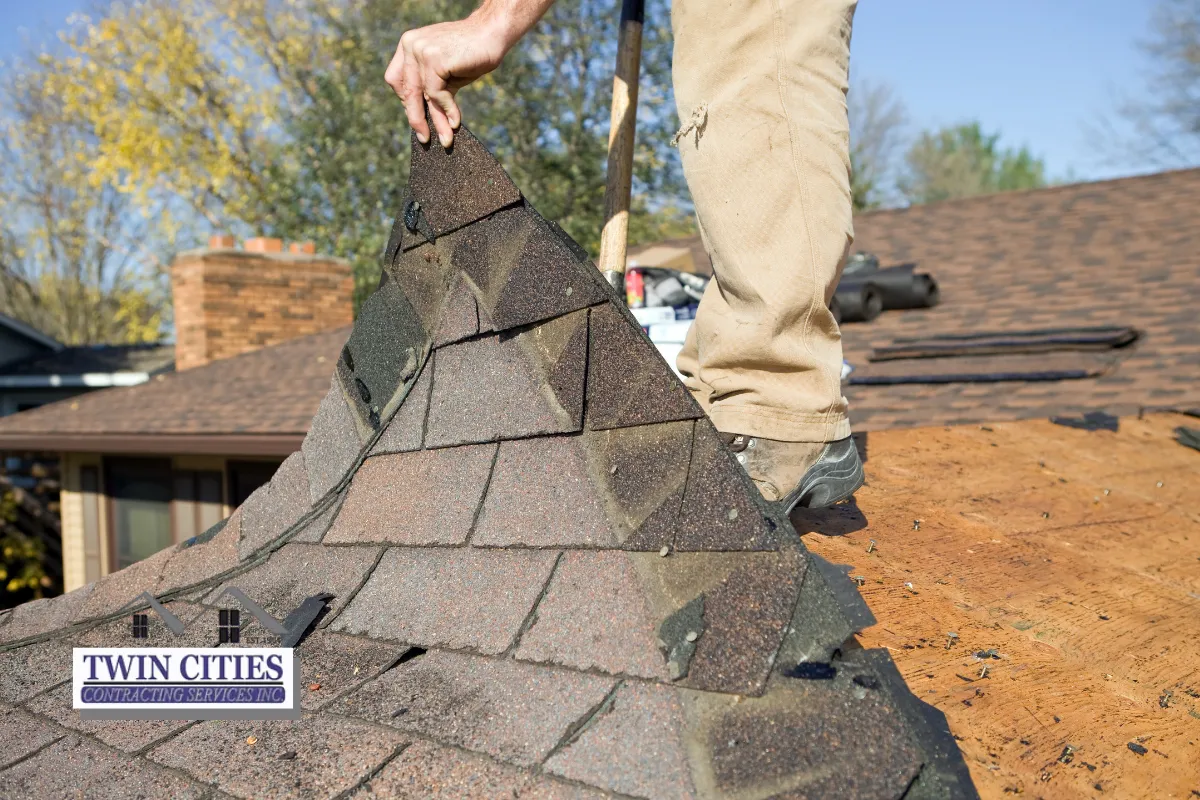
Knowing whether your policy pays replacement cost or actual cash value is the single most important detail in your roof coverage. Roof claims are calculated based on actual cash value or replacement cost value, and the difference is significant.
- Replacement cost value pays the full cost to replace your roof with similar new materials after a covered claim, minus your deductible.
- Actual cash value subtracts depreciation based on your roof’s age, which often leaves a large gap you pay out of pocket.
Consider a Bloomington home with a mid-range shingle roof where the replacement estimate is twenty-five thousand dollars. Under full replacement cost, you receive the full amount minus your deductible. Under actual cash value, with forty percent depreciation on a fifteen-year-old roof, the payout might drop to around fifteen thousand dollars before the deductible is even applied. ACV reflects depreciation based on the roof’s age, so the older your shingles are, the less you collect.
Homeowners insurance covers roof damage from wind, hail, and fire, and homeowners insurance may cover roof leaks from covered events like hail, but the method of valuation determines how much money actually reaches your pocket. Many insurers are moving from replacement cost value to actual cash value for roofs over ten to fifteen years old, and policies often shift to actual cash value for roofs over fifteen years old. Check the declarations page of your home insurance policy and look for endorsements that reference roof valuation. If the language is unclear, call your insurance agent and ask directly.
2. How Roof Age and Condition Can Shrink Your Payout
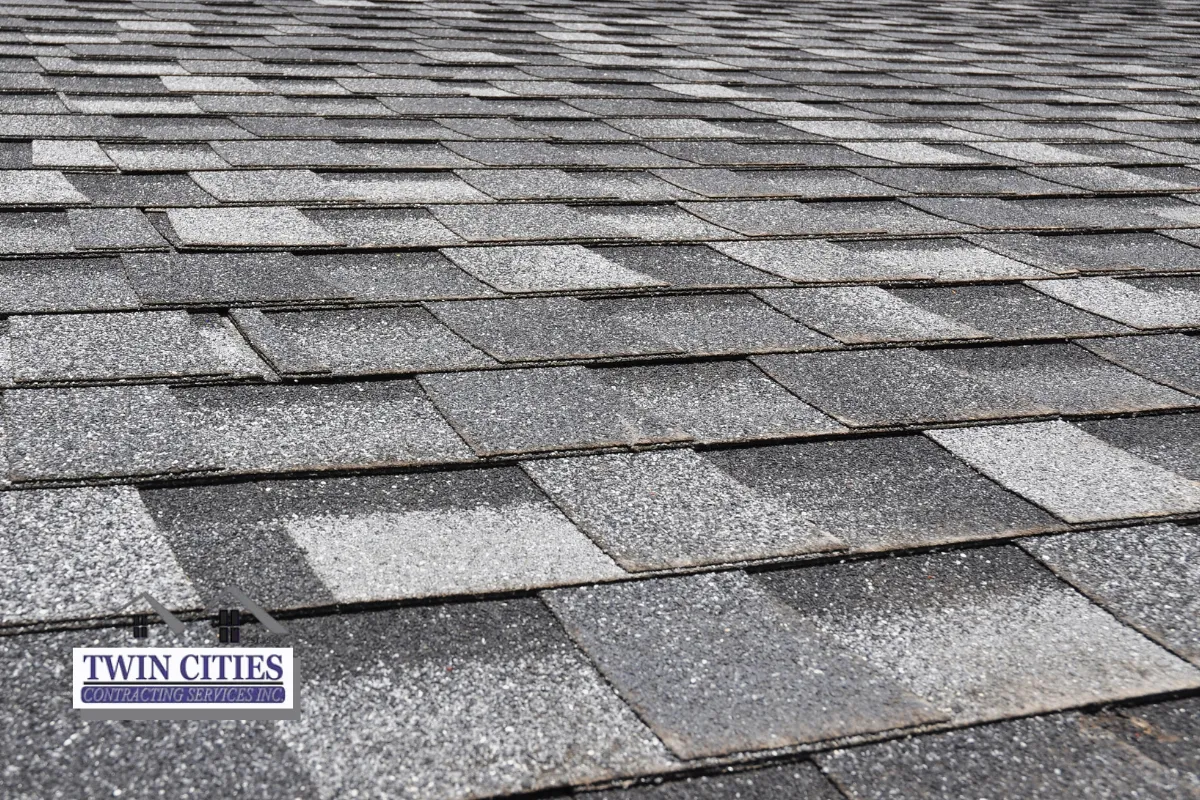
Insurance policies are increasingly scrutinizing roof age and condition in determining coverage. In Bloomington, where housing stock ranges from 1950s-era homes to newer construction, roof age is a critical variable.
Many insurance companies now use roof age schedules that gradually reduce the percentage of coverage as your roof gets past ten to fifteen years. A homeowner with a new roof might expect a full payout after hail damage. A homeowner with an eighteen-year-old roof under limited coverage language could receive a depreciated value that barely covers labor costs and materials.
Here is what you need to know about older roofs and coverage:
- Insurers may require physical inspections or apply actual cash value (ACV) endorsements for roofs over 10 to 15 years old.
- Insurance companies may require proof of repair or roof replacement to maintain full replacement cost coverage (RCV) rather than depreciated coverage.
- Under Minnesota Statute § 65A.29, insurers cannot non-renew a policy solely based on the age of the structure, but unaddressed physical deterioration or severe lack of maintenance can trigger non-renewal or coverage restrictions.
- Aging roofs are more vulnerable to storm damage, and unmaintained roofs can lead to higher premiums or restricted policy endorsements.
To protect yourself, document your roof’s condition with dated invoices and photos of any repairs. Keep records of maintenance, because proving your roof was well-maintained can support your position if your insurance provider questions its condition. Normal wear and missing shingles from deferred upkeep will not be treated as a covered loss.
3. Your Wind and Hail Deductible: Why 2% Can Be a Big Surprise
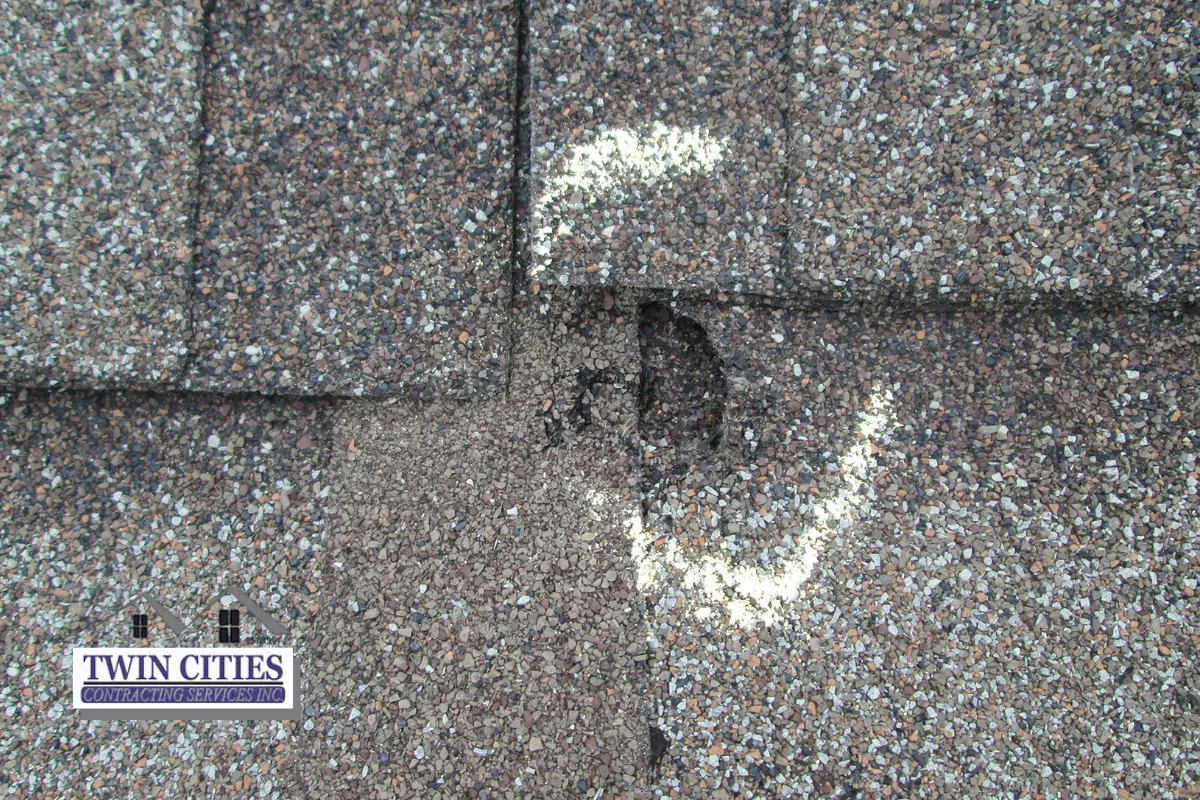
Standard policies in Minnesota increasingly carry a separate wind hail deductible that works differently from your flat all-perils deductible. Insurers are increasingly using percentage-based deductibles for wind and hail damage, and percentage deductibles typically range from one percent to five percent of the home’s total insured value.
Run the math for your own dwelling limit:
| Dwelling Coverage | 1% Deductible | 2% Deductible | 3% Deductible |
| $300,000 | $3,000 | $6,000 | $9,000 |
| $400,000 | $4,000 | $8,000 | $12,000 |
| $500,000 | $5,000 | $10,000 | $15,000 |
Most homeowners assume their deductible is a flat dollar amount, but the wind hail deductible may be listed separately on your declarations page as a percentage. Two percent may sound small, but on a four-hundred-thousand-dollar Bloomington home, that equals eight thousand dollars you pay before any insurance money is released.
Talk to your insurance agent about whether you can adjust the wind and hail deductible to balance premium savings with reasonable out-of-pocket risk. While Minnesota law does not require carriers to offer a flat-dollar deductible when introducing percentage-based structures, many insurance companies do offer alternative deductible endorsements or lower percentage tiers upon request, so always ask your agent about available options.
Read Roof Hail Claims Can Reach $40K–$60K: What Bloomington Homeowners Should Know Before Hiring a Roofer
4. Cosmetic Damage, Matching Materials, and Minnesota’s Rules
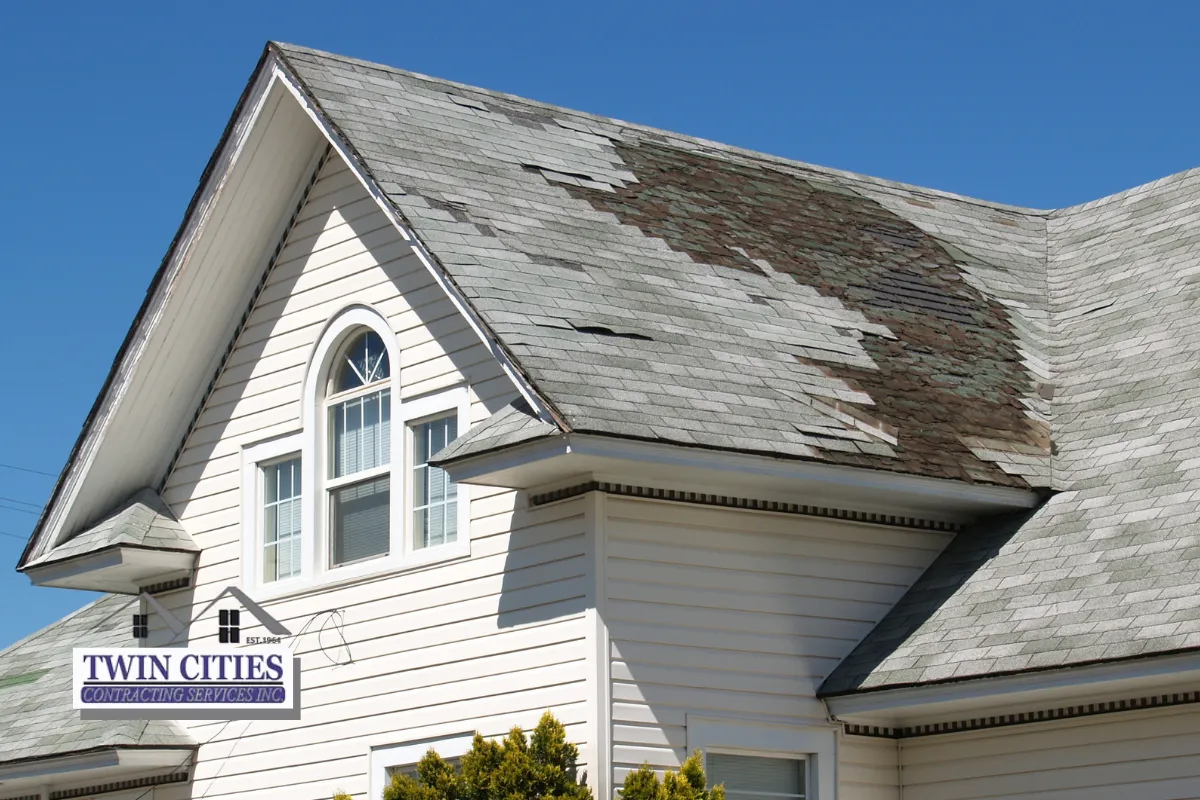
Hail can leave dents and pitting on shingles or metal roofing that do not immediately compromise the roof’s ability to shed water. Insurers are increasingly adding cosmetic damage exclusions to policies, meaning those surface-level marks may not be covered even after severe storms.
Cosmetic damage might not affect function today, but it can reduce curb appeal and potentially shorten the lifespan of your roofing materials. If your policy contains a cosmetic damage exclusion, you could be responsible for the full cost of those repairs.
Policies may also exclude coverage for matching materials when repairs are necessary due to hail damage. If only a portion of your roof is replaced and the new shingles do not match the existing ones, the visible difference may hurt your home’s appearance and resale value, but your insurer may not pay for a full replacement to achieve a match.
Check your policy for language referencing cosmetic exclusions and matching clauses. Look for endorsements that affect siding, shingles, and accessory roofing components.
5. Documentation to Keep Before Claim Time and After a Storm Hits
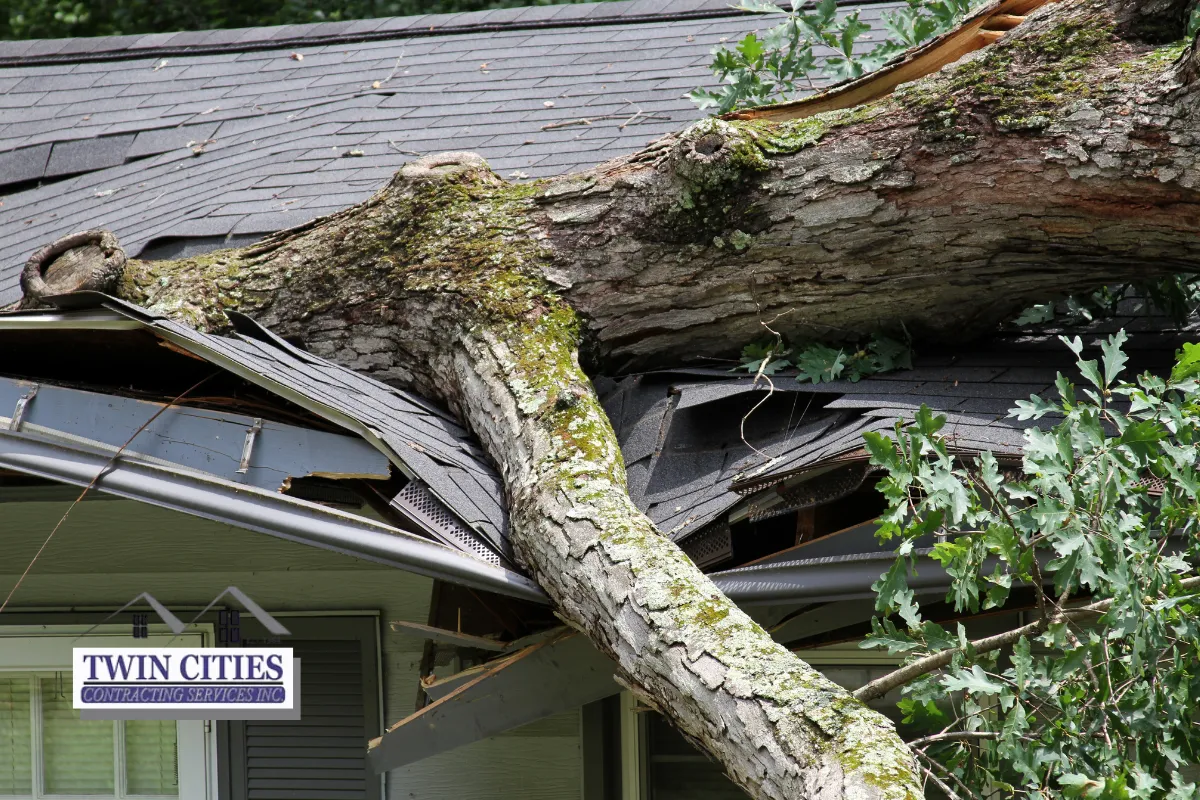
Good documentation can be the difference between smooth roof coverage and a stressful dispute with an insurance company. Documented baseline conditions of roofing can help support insurance claims significantly.
Records to keep before a storm:
- Original roof contract and installation permits
- Photos of the roof at installation and after any major repairs
- Annual roof inspection reports
- Receipts for maintenance, cleaning, and minor repairs
After a hailstorm in Bloomington:
- Document the storm date and take clear photos of damage, including wide shots and close-ups of affected shingles, flashing, gutters, and any visible damage.
- Photograph hail size and accumulation if possible.
- Save local weather reports and storm advisories.
Keep a roof file, both digital and paper, with your policy declarations pages, endorsements, and all claim correspondence. Insurance companies are tightening reporting windows for storm damage claims, so act quickly. Clear pre-storm and post-storm documentation makes it easier for adjusters to evaluate your situation and can help support your position if there is a disagreement about a covered loss.
6. What Actually Happens After Roof Damage: From First Call to Final Check
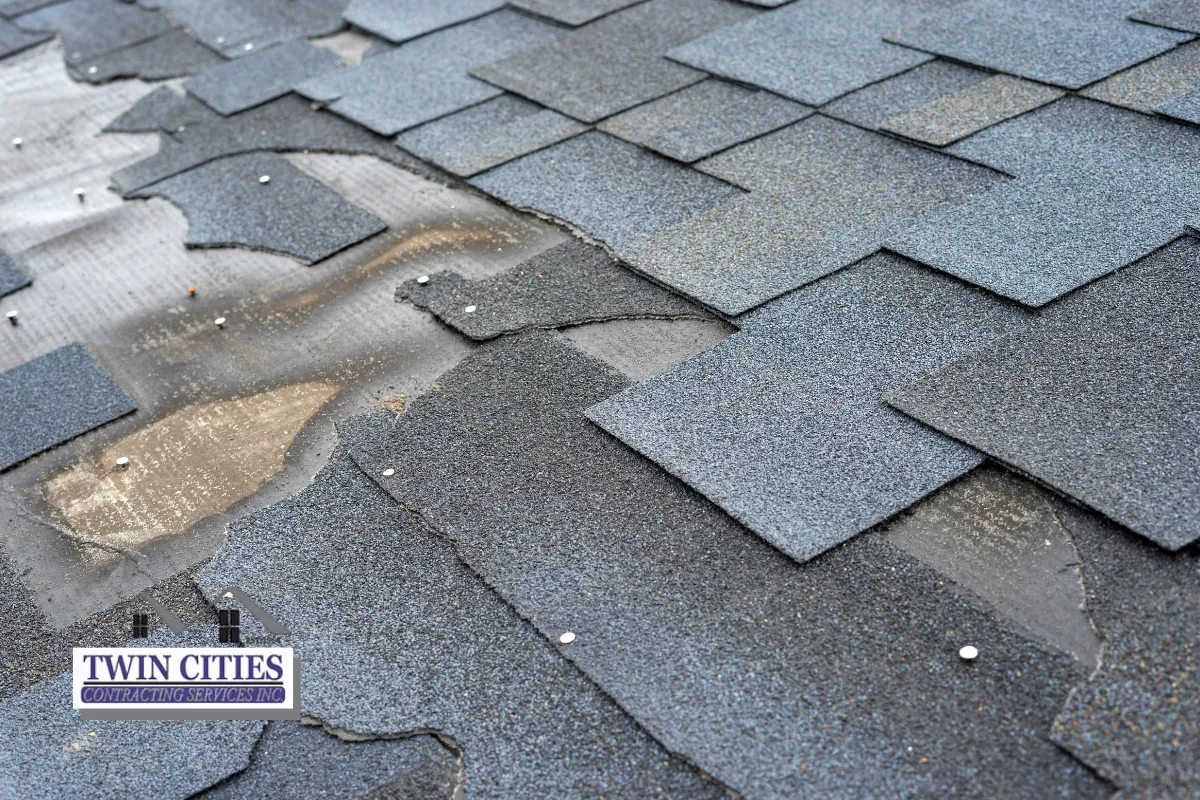
The typical sequence after storm damage goes like this: you inspect and document the damage, then file the claim with your policy number and damage description. An adjuster is assigned, and you meet the adjuster on site for the roof inspection. The adjuster produces an estimate, your contractor may submit a supplement for items the adjuster missed, and then final payment is calculated.
Many Bloomington homeowners benefit from having a reputable contractor inspect and document roof damage before filing. A qualified local roofer can identify wind damage, hail damage, and related issues that an adjuster might overlook on an initial visit, such as code-required upgrades or damage to components not visible from the ground.
Minnesota law allows a strict one-year deadline to file hail claims from the date of loss. Many insurers require homeowners to take reasonable emergency mitigation steps after storm damage, such as tarping an exposed area to prevent further water intrusion.
Key numbers to keep in mind: average roof claim costs nearly thirty thousand dollars in Minnesota, and hail claims in Minnesota average thirty thousand to sixty thousand dollars per event. Roof replacement costs average nearly thirty thousand dollars per claim in Minnesota, which underscores why informed decisions about your coverage matter before a storm, not after.
It is illegal for contractors to absorb or rebate insurance deductibles under Minnesota law. Be cautious of storm chasers who show up uninvited after severe weather, demand signatures, or promise a free roof by waiving your deductible. Work with a licensed, insured, reputable contractor you can verify locally.
7. Preparing Your Bloomington Roof and Policy Before the Next Hail Season
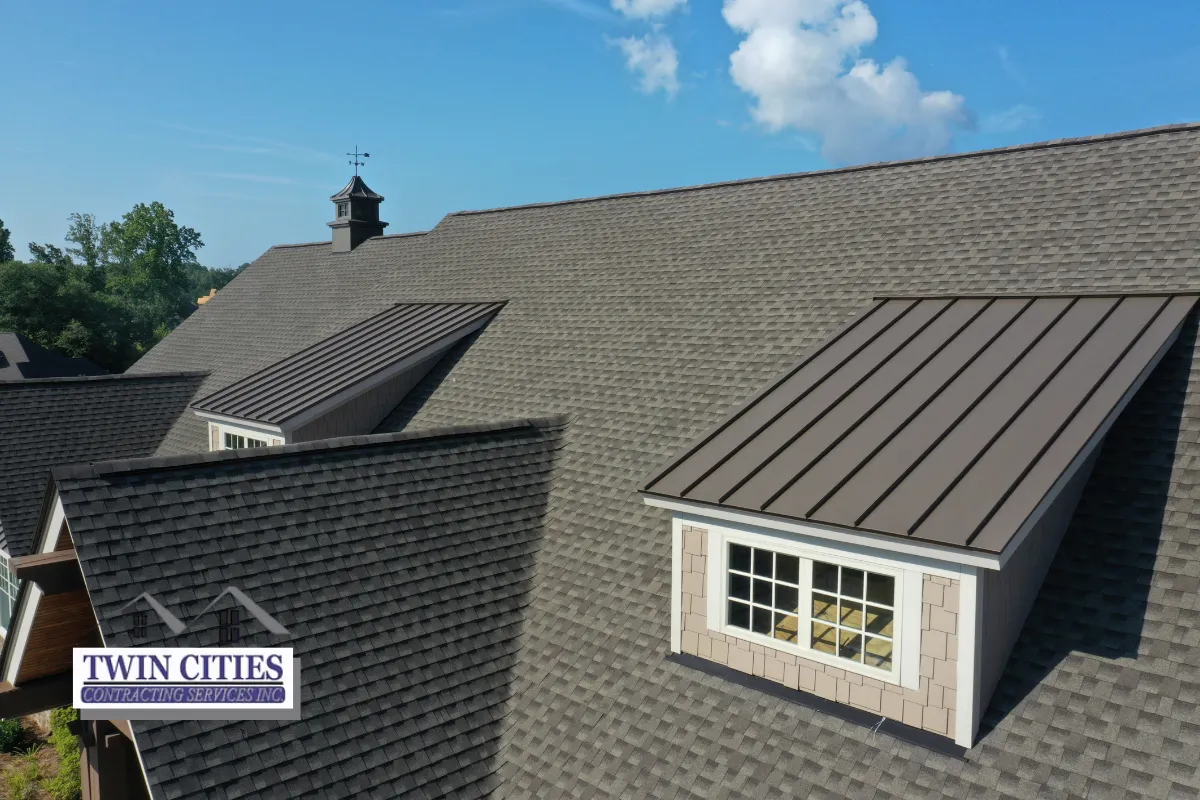
Every check in this article points to the same conclusion: preparation done now prevents financial shock later. Here is a concise checklist:
- Confirm whether your policy pays replacement cost or actual cash value for roof claims.
- Verify how roof age rules and depreciation schedules affect your payout.
- Calculate your actual wind hail deductible in dollars, not just percentages.
- Review your policy for cosmetic damage exclusions and matching material limits.
- Update your roof documentation file with current photos, inspection reports, and maintenance records.
Schedule a professional roof inspection in early spring to identify wear, loose flashing, or vulnerable areas before severe storms arrive. A thorough inspection creates a dated record of your roof’s condition and can reveal minor issues that are typically covered under maintenance rather than insurance claims.
New roofs can reduce premiums by five to thirty-five percent, and upgrading to impact-resistant shingles may qualify you for additional coverage benefits. Speak with your insurance agent about endorsements that can expand roof coverage, such as options to cover roof damage not fully addressed in standard policies.
The next hailstorm will not wait for you to read your policy. Take these steps now so you can expect a smoother process and protect your Bloomington home when severe weather arrives.
Get Local Help Navigating Roof Insurance With Twin Cities Contracting Services Inc.

We are Twin Cities Contracting Services Inc., and we help Bloomington homeowners prepare for and recover from storm damage the right way. Our team provides thorough roof inspections focused on documenting hail and wind damage so your homeowners insurance carrier has the information needed to process your claim accurately. We help you understand estimates, scope of work, and how recommended repairs align with your roof replacement insurance coverages. Whether you need a pre-storm evaluation or post-storm documentation after Twin Cities hail damage, we are here for you. Call us at (952) 405-6201 or fill out the contact form to schedule your roof evaluation today. We are committed to clear communication, code-compliant installations, and long-term protection for your home.
Frequently Asked Questions
How often should I have my Bloomington roof inspected if I am worried about insurance coverage?
Schedule at least one professional roof inspection every one to two years, plus an additional inspection after any major hailstorm or high-wind event. Regular inspections catch small problems like cracked flashing or granule loss before they become uncovered maintenance issues that your policy will not pay for. Each inspection creates a dated record of your roof’s condition, which strengthens your position if a future claim is questioned. Some insurers look favorably on proactive maintenance when evaluating disputes over roof age or pre-existing damage. An inspection does not replace reading your policy carefully, but it supports better outcomes if a roof claim becomes necessary later.
Can my insurer drop or non-renew my policy because of my roof’s age in Bloomington?
Not based solely on age. Under Minnesota Statute § 65A.29 and state insurance rules, an insurer cannot refuse to renew a policy solely due to the age of the dwelling or previous storm damage claims. However, if an underwriting inspection reveals significant physical deterioration, unaddressed leaks, or severe wear from lack of maintenance, the insurer can require repairs or issue a non-renewal notice. If you receive a notice citing roof condition issues, ask your insurer if completing targeted repairs or a professional inspection will satisfy underwriting requirements before reaching out to the Minnesota Department of Commerce consumer helpline.
Does homeowners insurance usually cover ice dam damage to my roof or interior in Bloomington?
Coverage for ice dams depends on your specific policy language and how the resulting damage is classified. Many policies will cover sudden interior water damage caused by an ice dam, such as a ceiling leak or wall staining, because the water intrusion is considered a sudden event. However, the cost of permanently fixing ventilation or insulation issues that caused the ice dam in the first place is generally classified as maintenance and excluded from coverage. Preventative work like adding heat cables or improving attic insulation falls outside what most policies will pay for. Ask your insurance agent how your specific policy treats ice dam removal and subsequent interior repairs before winter.
If I upgrade to impact-resistant shingles, will my insurance coverage change?
Some insurers offer coverage enhancements or premium credits when homeowners install qualifying impact-resistant roofing products that meet specific industry standards. The exact benefit varies by insurer and policy, so request written confirmation of any discounts or coverage changes before committing to the upgrade. While impact-resistant shingles can reduce the frequency of hail damage claims and may lower your overall risk profile, they do not make a roof immune from all storm-related issues. Keep documentation of the shingle type, manufacturer specifications, warranty details, and installation date for future underwriting reviews and any claims questions that arise.
Should I file a claim for every small hail event on my roof?
Not every hail event justifies filing a claim, especially if the visible damage is minor or the repair cost falls below your wind hail deductible. Have a qualified local roofer inspect and document the roof first to give you an objective opinion on the severity of the damage. Frequent small claims may affect how insurers view your property’s risk profile, and unnecessary claims can result in frustration when there is no payout because damage is minimal. File a claim when damage is clearly significant, widespread, and likely to exceed your deductible, or when the roof’s ability to protect your home from water intrusion is compromised.
Disclaimer: This article provides general information about Minnesota roof insurance coverage and is not legal, financial, or insurance advice. Review your own policy documents and consult licensed professionals before making coverage or claims decisions.
Read Twin Cities Hail Damage Puts Bloomington Roofs Back in the Spotlight