Why Roofs Don’t All Age the Same
A roofing contractor in Bloomington hears the same question every spring: “My roof was supposed to last 30 years, so why is it failing at 18?” The answer is that advertised lifespans assume mild weather, flawless installation, and consistent upkeep. Bloomington delivers none of that gently. Between hail, ice dams, and brutal temperature swings, a roof here faces conditions that can cut its actual lifespan by a third or more. Neglect compounds the damage; small leaks grow into structural damage, mold growth spreads through attic sheathing, and what could have been a minor repair turns into a full replacement. This article breaks down every key factor that controls how long your roof will last, from high quality roofing materials and proper installation to ventilation and routine maintenance. By the end, you will know the practical steps to stretch the life of your current roof, and when to reach out to a roofing company for a free estimate.
Key Takeaways
- Bloomington’s freeze-thaw cycles, hail (up to 3.3 inches recorded locally), and heavy snow loads of 35 pounds per square foot make climate one of the top factors that affect your roof’s lifespan.
- Roofing material choice and installation quality are the two largest controllable factors; a poorly installed premium shingle can fail years before a correctly installed mid-range one.
- Attic ventilation, clean gutters, and trimming overhanging branches reduce premature wear and tear, ice dam risk, and moisture buildup beneath shingles.
- Regular inspections by a trusted roofing contractor help homeowners decide between targeted roof repairs and full replacement at the right time, avoiding costly surprises.
Key Factors That Affect Roof Lifespan in Bloomington’s Climate
A roof’s lifespan has two layers. The first is its functional life: how long it reliably keeps water out and holds up structurally. The second is its cost-effective life: the point where repair bills begin approaching replacement costs, or the risk of interior damage from the next storm outweighs patching one more time. A “30-year” shingle warranty does not guarantee 30 years of service in a place like Bloomington.
The key factors that determine where your roof falls on that spectrum include:
- Local weather and environment (snow, ice, hail, sun exposure, wind)
- Roof pitch and design complexity
- Choice of roofing materials
- Installation quality and code compliance
- Attic ventilation and insulation levels
- Homeowner maintenance habits
Bloomington’s snow loads, freeze-thaw cycles, and hail frequency amplify the impact of each factor compared to milder regions. A roof in a temperate southern climate and an identical roof in the Twin Cities will not age at the same rate. The sections below address each factor with Bloomington-specific data and homeowner action steps.
How Bloomington Weather and Environment Shorten or Extend Roof Life
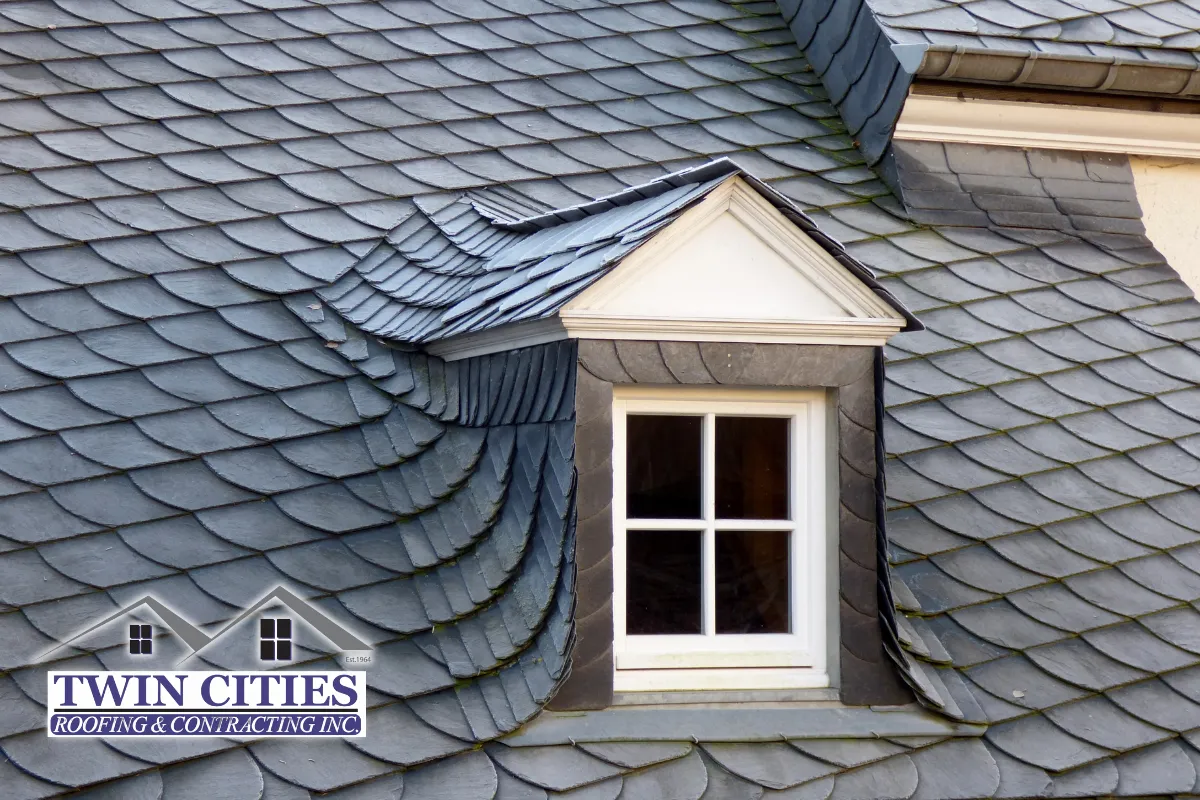
Every roofing decision in Bloomington starts with climate. The local weather determines the baseline stress your roof absorbs each year, regardless of material or installation.
Snow, Ice, and Freeze-Thaw Stress
Homeowners in Bloomington, MN face heavy snowfall and severe summer storms, creating a year-round cycle of wear. Heavy winter snow accumulation places structural weight on roofs; local building codes require roofs to withstand substantial weight due to heavy snow loads, with Bloomington zones commonly designed for 35 pounds per square foot. A low slope roof on a ranch-style home retains more snow than a steeply pitched one, increasing both weight and ice dam risk. Roofs with a proper slope shed snow and rain more efficiently, reducing water pooling risks.
Freeze-thaw cycles are relentless here. Temperatures hover around 32 degrees Fahrenheit through much of late fall and early spring, and freezing and thawing cycles can damage roof structures over time. Freezing overnight can cause water trapped in micro-cracks to expand and degrade roofing materials. Ice dams form when heat escaping through a poorly insulated attic melts snow on the upper roof, and that meltwater refreezes at the colder eaves. Ice dams can cause water to back up under shingles and cause structural leaks, damaging underlayment and decking. Extreme temperatures can cause roofing materials to crack, a process that accelerates each winter.
Hail and Storm Damage
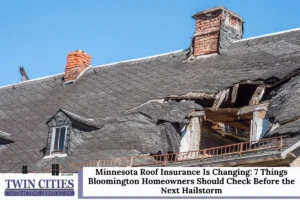
The Twin Cities area sees frequent hailstorms. One recent 12-month stretch recorded roughly 147 hail reports in the Bloomington area, with some stones reaching 3.3 inches in diameter. Hail can fall at speeds up to 40 mph, damaging roofs by stripping granules, cracking aging asphalt mats, and denting metal surfaces. Severe storms can cause damage to roofing materials that shortens their lifespan by several years, particularly on roofs already past the 10-year mark. Heavy rainfall can lead to rot in wood shingles and cause poor drainage issues on flat or low-pitch sections. Severe weather events like these push many Bloomington homeowners toward earlier replacement than the warranty might suggest.
Sun Exposure and Biological Growth
Sun exposure can lead to degradation of roofing materials over time. South-facing and west-facing slopes absorb the most UV radiation, accelerating asphalt oxidation and granule loss. North-facing and heavily shaded slopes stay damp longer, creating conditions for moss, algae, and lichen. These organisms retain moisture against the shingle surface, promoting heat damage and premature breakdown. Overhanging branches drop leaves and twigs, keeping areas damp and creating debris buildup. Trimming overhanging branches minimizes roof damage risks and reduces organic growth by allowing the roof to dry after rain and snowmelt.
Roofing Materials: How Asphalt Shingles and Metal Roofing Perform Over Time
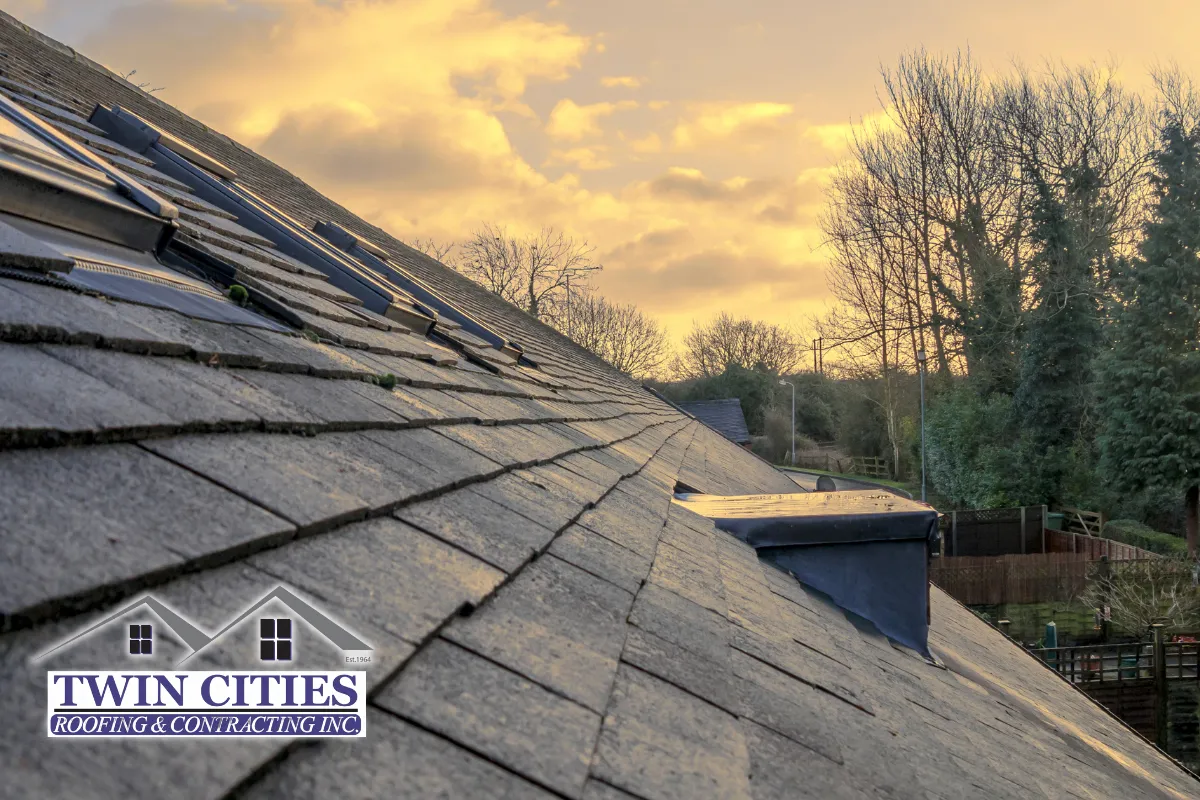
Material selection sets the potential lifespan range for your roof. Climate and care then adjust that range up or down. Here is how common roofing materials perform in Bloomington’s harsh weather conditions.
Asphalt Shingle Roofs
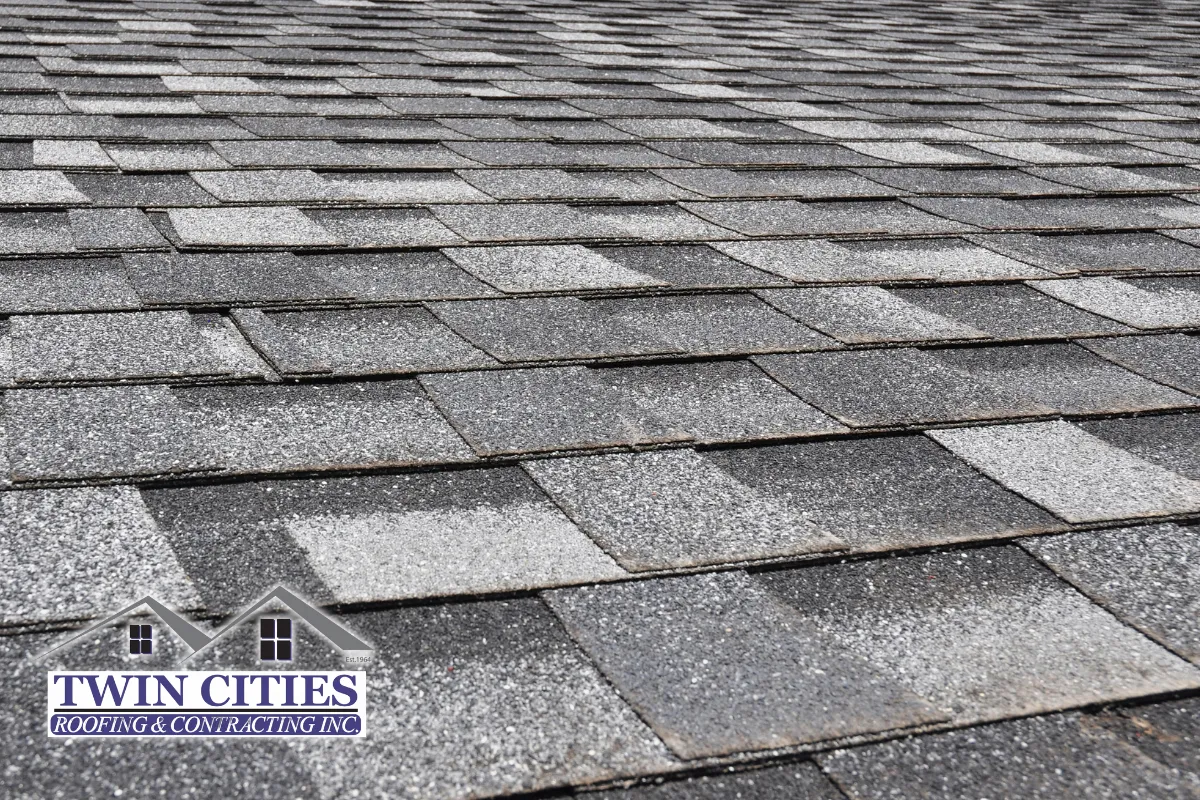
Asphalt shingles last 20 to 30 years on average in most climates. In Bloomington’s severe weather conditions, that number drops. Asphalt shingles typically last 15 to 25 years in harsh climates, with 3-tab shingles at the lower end (roughly 15 to 20 years under heavy hail, UV, and freeze-thaw exposure). Architectural (dimensional) shingles use a thicker mat base and more asphalt mass, delivering better wind and hail performance. Realistic service life for architectural asphalt shingle roofs in Bloomington runs 22 to 30 years with proper care and good orientation.
Impact-resistant shingles rated UL 2218 Class 4 are increasingly recommended by local roofers for Bloomington homes. These shingles absorb hail strikes with less granule loss and mat damage. High quality roofing materials like these increase a roof’s lifespan and reduce the frequency of storm-related claims.
Metal Roofing and Other Durable Materials
Metal roofs can last 30 to 50 years with proper care, and quality standing seam steel roof systems in Minnesota often reach 40 to 60 years. Metal roofing sheds snow quickly, resists ice dam formation on its surface, and tolerates hail better than basic asphalt. The upfront cost is roughly two to three times higher than asphalt, but one metal roof can outlast two asphalt replacements over a 50-year period. Metal shingles and stone-coated steel panels offer a middle ground between traditional metal and the aesthetic of shingles. High-quality materials increase a roof’s lifespan; for perspective, clay tile roofs can last between 50 and 100 years, and slate roofs can last from 60 to 150 years. Cedar shakes usually last 20 to 40 years but require maintenance to prevent rot.
Color and reflectivity also matter. Lighter-colored roofing materials reflect more sunlight, reducing attic heat buildup in summer and supporting energy efficiency. Regardless of material, warranties assume the roof is installed correctly and maintained on schedule, so the product label alone does not guarantee performance.
Read When Should a Roofing Contractor Inspect Your Roof After a Minnesota Storm?
Installation Quality: Why Proper Installation Often Matters More Than the Product
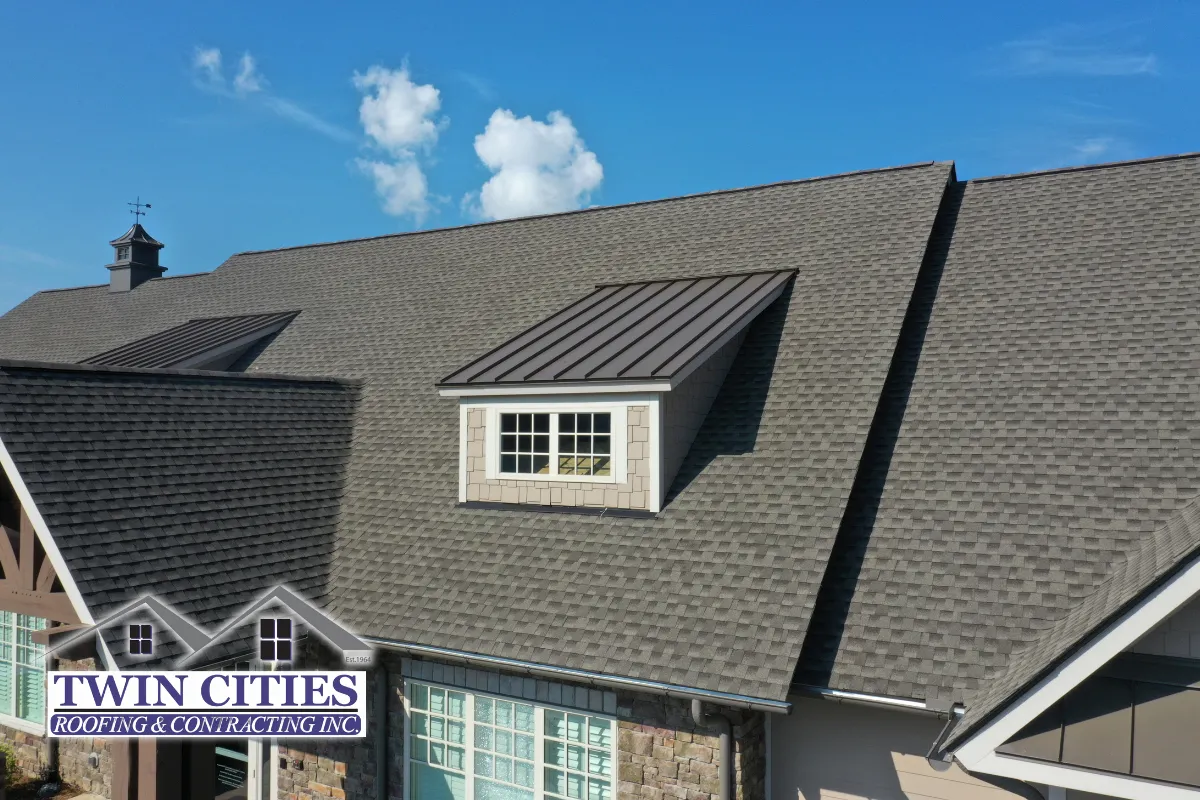
Installation quality directly impacts a roof’s lifespan. The gap between a 15-year roof and a 25-year roof often comes down to how the materials were applied, not which materials were chosen. Even high-quality materials fail without proper installation. A premium architectural shingle nailed in the wrong spot, with skimpy underlayment and reused flashing, will leak years before a mid-grade shingle installed by a skilled crew following manufacturer specs.
Proper installation prevents leaks and structural damage. In Bloomington, that means:
- Correct nail placement and fastener count per shingle, following manufacturer instructions
- Self-adhering ice-and-water membrane extending from the eave edge to at least 24 inches inside the exterior wall line, per Minnesota residential code (Section R905.1.2)
- Proper sealing and flashing around valleys, chimneys, skylights, and vent pipes
- Full tear off of old shingles rather than layering over deteriorated material, which hides deck rot and reduces system performance
Improper installation can lead to premature roof failure. Common shortcuts include reusing old flashing, skimping on underlayment layers, and failing to seal penetrations adequately. Improper sealing around roof penetrations is one of the most frequent sources of leaks. A licensed, insured roofer experienced in Bloomington’s conditions and familiar with local code requirements is far more likely to deliver durable results than a low-bid crew passing through after a storm.
Attic Ventilation, Insulation, and Energy Efficiency
Attic insulation and moisture management are critical for roof longevity in cold climates. The condition of your attic directly shapes how your roof ages, how comfortable your home feels, and what your heating and cooling bills look like.
Proper attic ventilation reduces heat and moisture buildup by balancing intake at the soffits with exhaust at the ridge or roof vents. Ventilation systems allow excess heat and moisture to escape before they cause problems. Good ventilation reduces heat buildup in the attic during summer, lowering the temperature differential that bakes shingles from below. In winter, proper ventilation and insulation can prevent ice dam formation by keeping the roof deck cold enough that snow does not melt unevenly.
Poor ventilation can lead to premature aging of roofing materials. Inadequate roof ventilation can reduce a roof’s lifespan by 10 to 15 percent. Moisture buildup in the attic condenses on the underside of the roof deck, promoting mold growth and wood rot. Proper ventilation prevents mold growth and wood rot, preserving the structural integrity of the sheathing that supports your shingles or metal panels.
When re-roofing, ask your roofing service provider to evaluate whether your current venting meets both manufacturer recommendations and Minnesota energy code requirements for residential thermal envelope performance. Adding ridge vents, improving soffit intake, and sealing attic air leaks during a reroof is more affordable than retrofitting later. The result is a roof that lasts longer, a home that maintains a more consistent temperature, and an energy efficient envelope that reduces heating costs through Bloomington’s long winters.
Maintenance Habits: Simple Tasks That Add Years to Your Roof
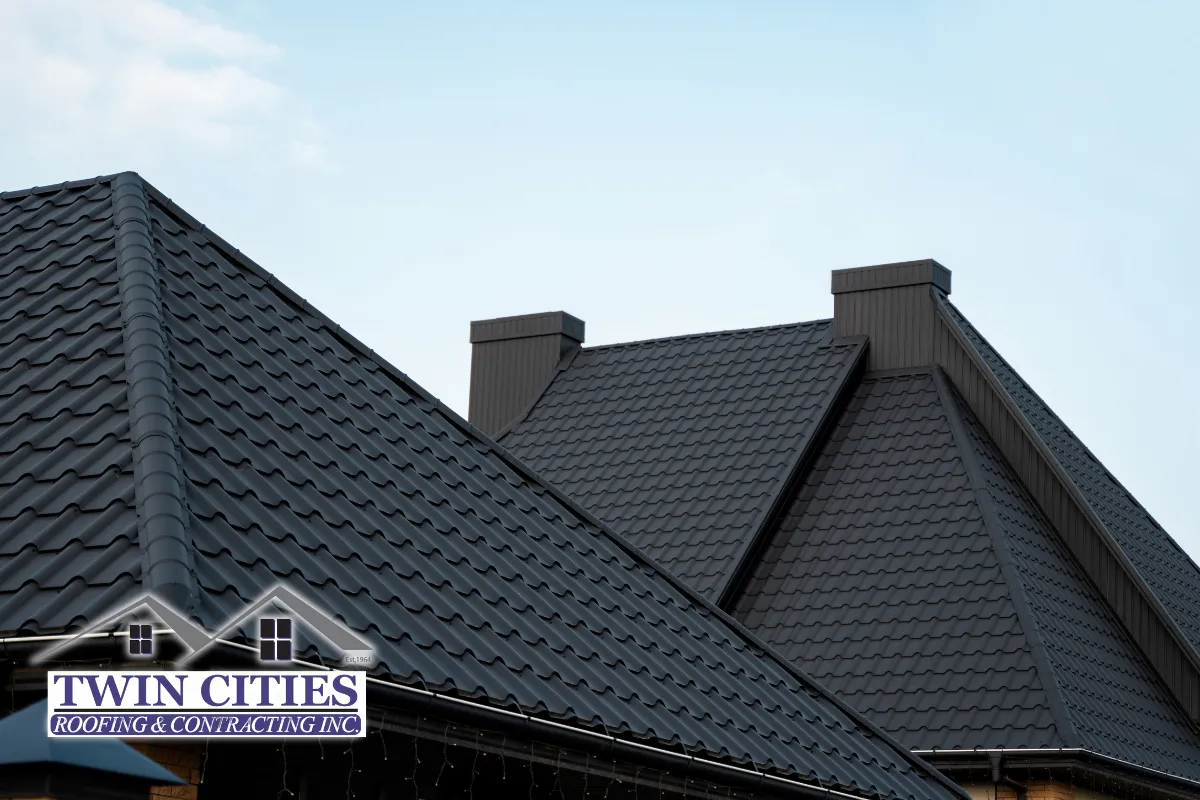
Even the best materials on a well-installed roof in Bloomington need basic proactive care to reach full lifespan. Regular maintenance and inspections can prolong roof lifespan, and regular inspections can add years to your roof’s lifespan by catching minor issues before they become major problems.
- Schedule a professional roof inspection at least once a year, ideally in spring after ice and snow damage and again in fall before winter. Look for missing shingles, damaged flashing, and early granule loss.
- Cleaning gutters prevents water damage and extends roof life. Clogged gutters force water to back up under roofing material, accelerating fascia rot and ice dam formation. Keep downspouts clear so meltwater drains away from the home’s structure.
- Trimming overhanging branches back from the roof edge reduces debris accumulation, shade-related moss, and the risk of storm damage from falling limbs.
- Use gentle roof cleaning methods when needed; low-pressure or soft wash only. Avoid frequent foot traffic on shingles, which loosens granules and can compress the mat.
- Prompt repairs can prevent small issues from escalating. After hail, high winds, or heavy ice events, address damaged areas right away. A few missing shingles left through a rain cycle can let water reach the underlayment and decking, turning a $300 repair into a multi-thousand-dollar problem.
Regular roof inspections by a qualified roofing contractor keep you ahead of the wear and tear that accumulates season after season, helping your roof stand strong through Bloomington’s harsh weather conditions.
Repair vs. Full Replacement: Knowing When Your Roof Has Reached the End
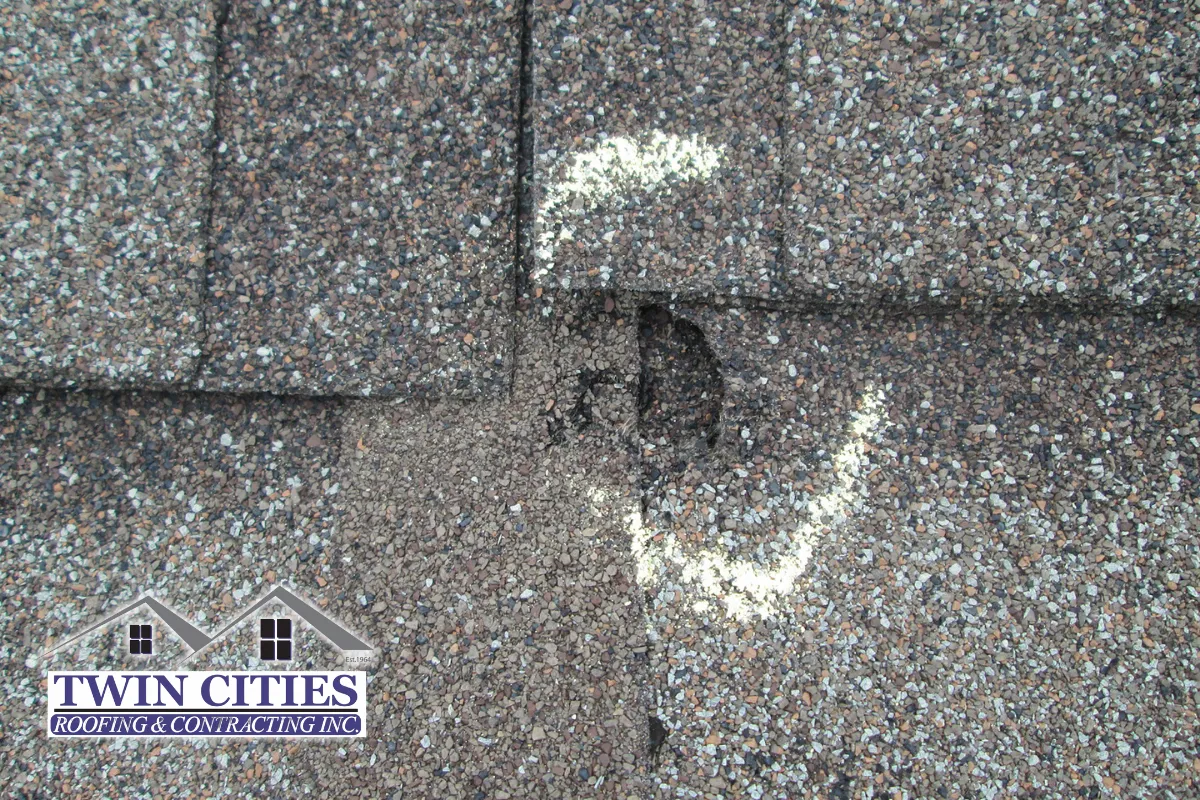
A critical part of managing your roof’s life is recognizing when spot repairs are still practical versus when a full replacement is the better investment. Continuing to patch a roof past its cost-effective life leads to escalating bills, recurring leaks, and risk of severe damage to your home’s interior.
Signs that your roof may be approaching end of life:
- Widespread granule loss leaving bare spots visible from the ground
- Large areas of curling, cracked, or buckling shingles
- Sagging spots in the roof deck
- Multiple active leak points, especially after regular cleaning and maintenance have been kept up
- Roof age past 20 to 25 years for asphalt in Bloomington’s local climate
Storm damage can push an otherwise younger roof toward replacement if structural decking or large sections are compromised. When repair costs approach 40 to 50 percent of a new roof, full replacement is typically the smarter long-term investment. A new roof also brings your home up to current code, including updated ice barrier, ventilation, and wind resistance requirements.
Work with local roofers for a written assessment that weighs remaining lifespan, necessary code upgrades, and potential insurance involvement. A trusted roofing contractor will give you an honest evaluation rather than pushing costly repairs on a roof that has reached its end, or selling a replacement when minor problems can still be addressed affordably.
Roofing Contractor in Bloomington, MN: Call Twin Cities Contracting Services Inc.
We are Twin Cities Contracting Services Inc., a roofing contractor rooted in Bloomington, MN, with hands-on experience across the entire Twin Cities area. Our team works with asphalt shingles, metal roofing, and impact-resistant systems built to withstand severe weather conditions common in our region.
We provide thorough inspections, honest guidance on whether repair or full replacement makes the most sense for your situation, and clear written recommendations you can review before making any decision. Our crews focus on proper installation, attic ventilation checks, and clean job sites so your new roof reaches its full lifespan.
Whether you need a free inspection after a storm, a free estimate on residential roofing, or a second opinion on an existing quote, we are here to help. Call us at (952) 405-6201 or fill out our online contact form. We service Bloomington and the surrounding Twin Cities area, and we look forward to helping you protect your home.
Frequently Asked Questions
How often should Bloomington homeowners schedule a professional roof inspection beyond basic visual checks?
Most roofing professionals in the Twin Cities recommend scheduling a professional roof inspection at least once per year, with a second check after any severe weather event involving hail or high winds. Homes with roofs older than 15 years, or those surrounded by heavy tree canopy, benefit from biannual professional inspections in spring and fall. A trained inspector can identify problems invisible from the ground: hairline cracks in flashing, early-stage moisture levels in decking, subtle granule loss patterns, and ventilation deficiencies. Catching these minor problems early prevents them from growing into structural damage or interior leaks that cost far more to fix than the inspection itself.
Are impact-resistant asphalt shingles worth the upgrade cost in Bloomington’s hail conditions?
In an area that recorded roughly 147 hail reports in a single 12-month period, impact-resistant shingles rated UL 2218 Class 4 offer added durability that pays for itself over time. These shingles use a reinforced mat and modified asphalt formulation that absorbs hail strikes without the granule loss and mat cracking that standard shingles suffer. The upfront cost is typically 10 to 20 percent more than standard architectural shingles. Some insurance carriers also offer premium discounts for homes with Class 4 shingles, which can offset part of the added cost over the roof’s life. For homes on exposed lots facing south or southwest, the upgrade is especially practical.
What should homeowners do immediately after a major hail or wind storm?
First, document conditions from the ground. Use a phone camera to photograph any visible damage: dented gutters, shingle debris in the yard, cracked siding. Do not climb onto the roof yourself. Contact a local roofing service to schedule an inspection within a few days while damage is still fresh and unaltered. File a claim with your insurance carrier promptly, as many policies have reporting deadlines. Keep records of the storm date, any weather alerts, and your photos. A qualified roofer can provide a written damage report that supports your claim and helps distinguish new storm damage from pre-existing wear and tear.
How do ventilation improvements during a reroof affect comfort in upper-story rooms?
Adding ridge vents, improving soffit intake, and sealing attic bypasses during a reroof can reduce summer attic temperatures by 20 to 40 degrees Fahrenheit compared to a poorly vented attic. Upper-story bedrooms and finished attic spaces directly benefit; rooms that previously felt stuffy in July or August will hold a more consistent temperature. In winter, better ventilation keeps moisture levels in check, reducing condensation that can cause mold growth on rafters and sheathing. The improvement in comfort and the reduction in HVAC strain make ventilation upgrades during reroofing one of the highest-value additions for commercial properties and residential homes alike.
What information should a homeowner gather before requesting a free estimate from a roofing service?
Before calling for a free estimate, gather as much of the following as you can: the approximate age of your current roof (check closing documents or prior inspection reports), any known leak locations or water stains on ceilings, photos of visible exterior damage, and records of past roof repairs or insurance claims. Note your roof’s material type (3-tab versus architectural shingles, metal, etc.) and whether a previous layer was installed over an older one. Having this information ready helps the roofer prepare a more accurate assessment and gives you a longer lifespan of productive conversation during the inspection visit. It also speeds up the estimate process.
Disclaimer: This article provides general roofing information for Bloomington, MN homeowners. It does not replace licensed contractor evaluations, structural engineering assessments, or official guidance from local building officials regarding specific code or design requirements.
Read Hail Damaged the U.S. Bank Stadium Roof. What Can Minnesota Hail Damage Do to a Bloomington Home?